An Artist’s Journal

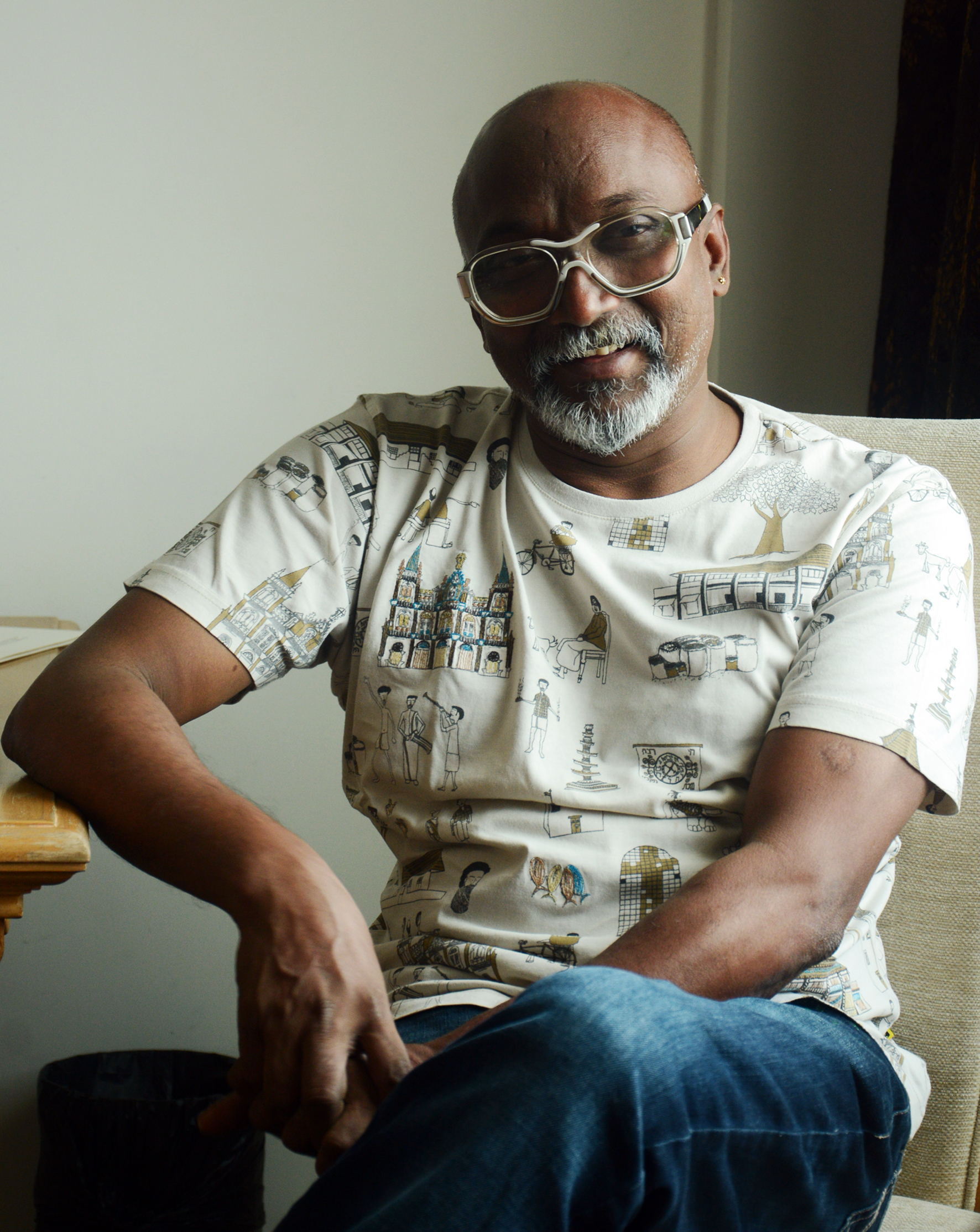
Bose Krishnamachari, Artist | Manu R Mavelil - The New Indian Express

Pic: Manu R Mavelil

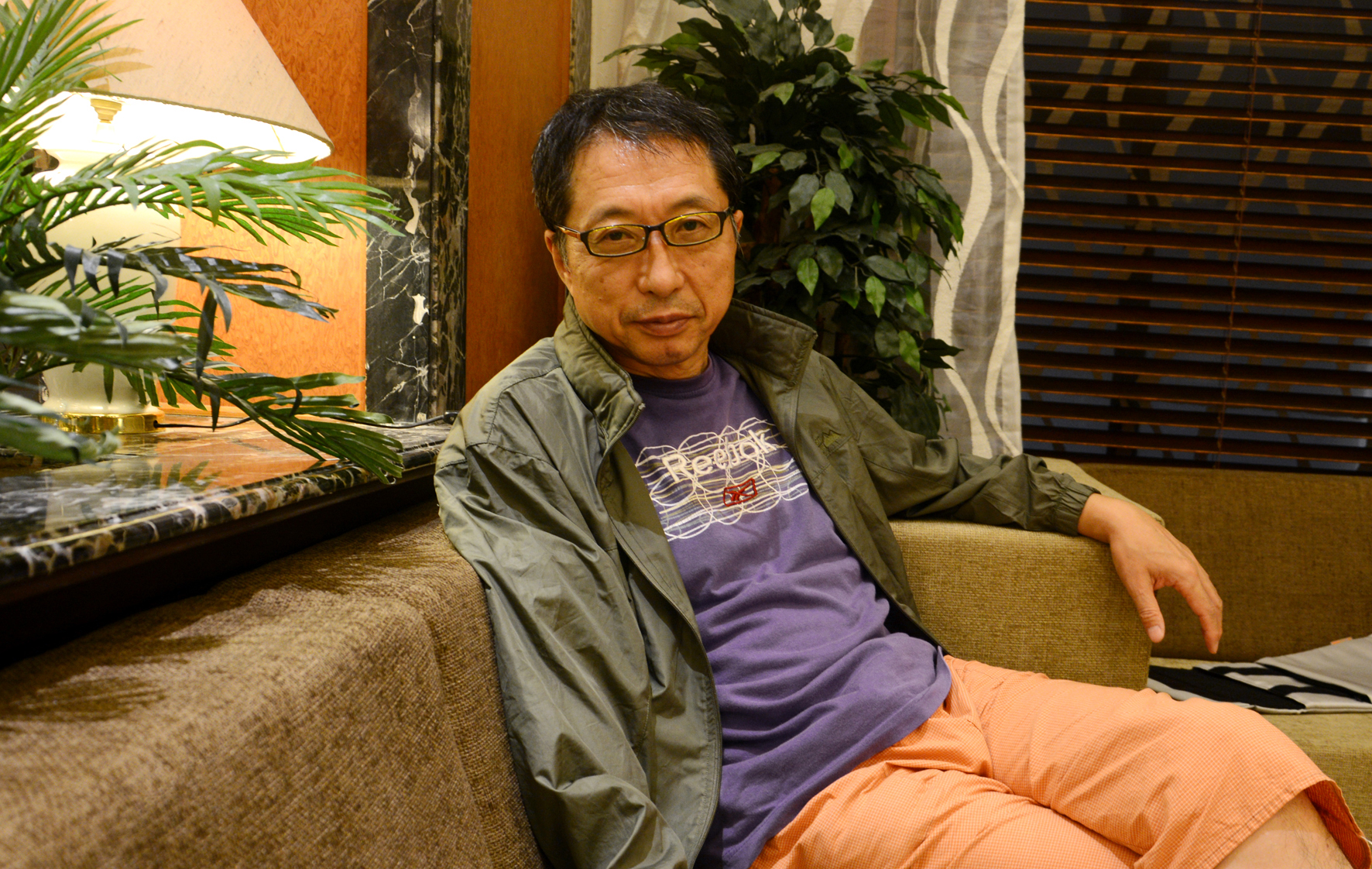
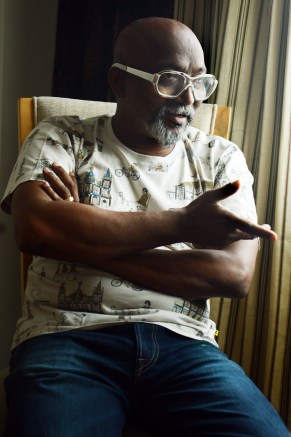
  Emerald socks peeking out from a pair of neon red canvas shoes are what catches your eye, the moment you enter Bose Krishnamachari’s suite. From his quirky custom-designed eye-glasses to his off-white t-shirt thronging with cartooned people and buildings, everything about Bose is refreshingly unique. The eccentric streaks that one would expect from an artist, however, do not come hopping about disrupting the flawless conversation we were having. Instead, the man who instigated Kochi-Muziris Biennale, along with his friend and contemporary Riyas Komu, and thence put Kochi’s name in the global map, unassumingly narrated his life-story – a quintessential rags-to-riches tale – for the City Express readers. Bose was in the city to give a talk about ‘contemporary visual art’ to the city’s art lovers.
“I am very happy with the response we received for Biennale. Recently KPMG, one of the largest professional services companies in the world had done a study on Biennale and it specifically shows how it has rejuvinated arts in Kochi and Kerala and benefited India’s art scene as a whole,” says Bose.
For the uninitiated, Bose is one of the most promising names in the Indian contemporary art for his innovative multimedia visual installations and abstract paintings. Today, his name resonates in the realms of Indian art, with the likes of Subodh Gupta and Anjolie Ela Menon. Bose brushes off his illustrious journey as nothing special. However, this artist, who was born to a simple carpenter in Mangattukara, has an amazing story to recall.
“My childhood dream was to become a doctor. Hence, I took science for my pre-degree. I was always good in drawing so teachers used to show my record book as an example to other students in the class. But my mind was set on medicine. In bose krishnamacharithe second year I had an unknown illness which started off as some kind of haemophilia but later on it became something else. I was in coma for a while. This turned my life topsy-turvy as I started imagining that I am having some terminal disease such as cancer. I was taken to doctors all across the state. This lasted for around six years. That is when I started doing theatre,” says Bose. Bose was named after Subhashchadra Bose by his uncle, who was a staunch nationalist. His father’s name Krishnan, which was Bose’s surname, later changed to Krishnamachari adding his father’s profession, asari (achari) to it.

“We used to translate plays of Samuel Beckett to Malayalam and perform before an audience for Rs 2,000. While I did the acting bit my younger brother directed the plays. The money had to be split between many. Still I cherish those days. It was one such day that I came across a magazine called ‘Sankramanam’, where I read about Kerala Kalapeedam,”quips Bose. Bose and his elder brother set about to Kalapeedam in Kochi.
“There I have met many eminent personalities from various walks of life like Adoor Gopalakrishnan and Balachandran Chullikkad. Kalapeedam gave me immense exposure. I have joined a course in Flash Art in Thrippunithura to learn art. But the tutor, whose name I don’t remember, was reluctant to impart his knowledge. He said I was not yet in a stage to learn from a book. I quit the institute soon after,” says Bose. Even though Bose forgot his name, Bose Krishnamachari is not a name that one would easily forget.
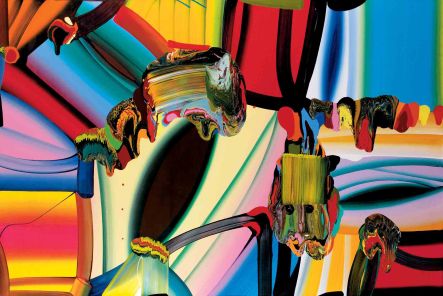
bose_krishnamachari_bose_krishnamachari_ne_en_1963_stretched-42-1In 1985, he received his very first award from the Kerala Lalitha Kala Akademi. That is when he decided to take art seriously. One of his friends from Mumbai told him to join Sir JJ School of Art, where he would get to learn the nuances of art world. He set about to Mumbai in 1985 and wrote the entrance test of Sir JJ School of Art. Bose could only get in the next year due to some internal regional politics. However, he not only passed out with flying colours from JJ but also conducted an exhibition in the college gallery while he was a still a student. “My exhibition was the very first of its kind as the college had never exhibited students’ works before. It had the biggest turnout due to my connections with the external world. I was quite inquisitive so I used to frequent galleries and meet artists. Thus I interacted with people like Akbar Padamsee, and Laxman Shrestha and even visited them at their homes. Padamsee’s house was an adda of filmmakers. There I also got to meet people like Kumar Sahni,” he says. However, Bose’s very first exhibition was held in Kerala Kalapeedom where his dreams took wings. Adoor Gopalakrishnan inaugurated the show there.
“In Kerala, the exhibitions are conducted as a formal affair. Mumbai, it’s more casual. We just invite our friends and share a drink that’s about it. Jehangir gallery still follows traditional ways just like our Vyloppilly or the likes. Otherwise Mumbai art scene is very informal,” says Bose. Bose who calls himself a ‘Mumbaikar’ says Mumbai was his university when he strutted towards the formidable world of art. Later this Angamaly boy who didn’t know a single word in English received scholarship to do MFA from Goldsmiths College, University of London.Bose Krishnamachari, Artist | Manu R Mavelil - The New Indian Express
After his share of globe-trotting and experiencing the global art scenario, Bose came back with the sole resolve to make a difference in Indian art. He has curated many shows like Bombay Boys with his Mumbai Malayali artist friends like Riyas Komu and TV Santhosh. Biennale was, in some ways, an extension of that friendship.
“One day while I was at my home in Mumbai. The then cultural Minister of Kerala, MA Baby paid me a visit. When he came down I have invited my Malayali artist friends in Mumbai. He said he wants to conduct a show for children’s charity and we all said we do that on a daily basis. We donate many of our works for a good cause. So in between discussions the idea of biennale had come up. That is how biennale transpired,” says Bose. About the criticisms he had to face Bose says,
“I never imagined that we would be facing wrath from our own friends. We never exploited anything so I have no anger towards anybody. We had always held steadfast to the belief that we were, in some ways, propagating a platform for social change and maybe sooner than we realise art will be our last resort to unify a divided nation and people”. The biennale team is in full swing with their preparations for the second editon of Kochi-Muziris Biennale scheduled to open on December 12th of this year.
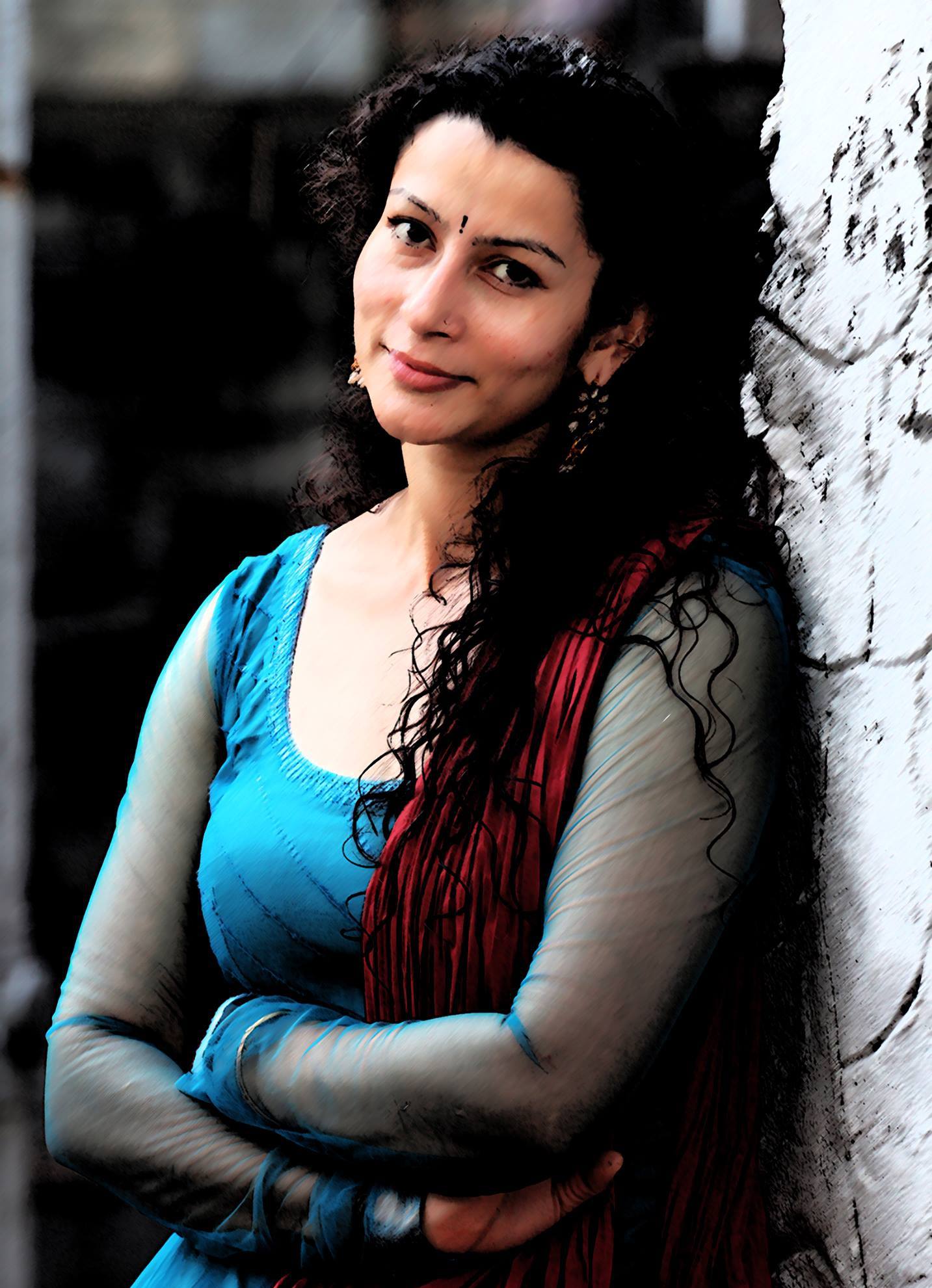
Dance is My Language

10294983_713919905321677_3204630223904816406_o

Pic: Kaviyoor Santhosh

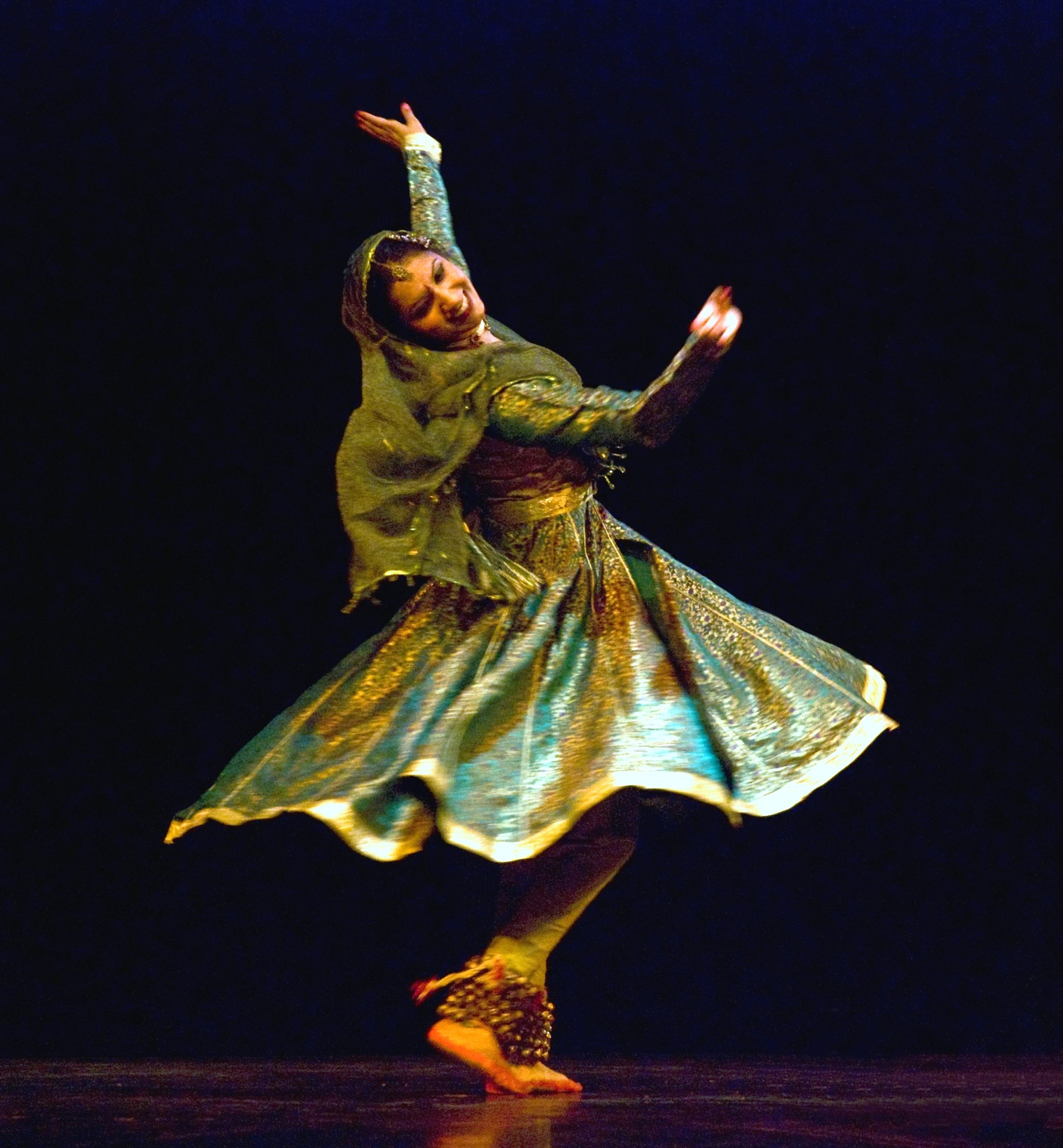
On stage she exudes the poise of an enchantress, whose fluid motions and divine stances could sway you away on a fantastical ride, but in person she is the epitome of humility. When dancers are known for their haughty tantrums, her friendly demeanour may even come as a pleasant surprise. Slender, tall and all of 28, Manisha Gulyani, a versatile Kathak dancer with a solid body of work to her credit, talks about her undying passion for dance.

“I can express myself better through dance. So I feel that Manisha is dance. It is a passion that started at a very young age so dance has been a part of my life ever since I could remember,” says Manisha.

Manisha, the current head of Amity School of Performing Arts, Rajasthan, is in the city to facilitate a dance workshop conducted by Noopura Institute of Classical Dance and Music for dance lovers.

It was her father who ushered her into dancing at the age of seven. Easily swooned by the spectacular dancing world introduced to her at a tender age, Manisha put her heart and soul into dancing.

“My father understood that I was artistically inclined from a very young age. We didn’t have any music or dance background, yet he felt that I had it in me. He took me to Jaipur Kathak Kendra, where I have learnt the basics of Jaipur Gharana from Rajkumar Javda, who was one of the senior Gurus of the institute,” quips Manisha. Manisha was always praised for her perfect footworks and rhythmic nuances by her Guru at the Kathak Kendra, which prompted her to tone up her skills and excel in her art. But it was her rendezvous with Pt. Girdhari Maharaj, a world renowned Kathak exponent that changed Manisha’s life forever. Seeing Manisha’s craft Pt. Girdhari Maharaj took her under his wings and made her his disciple instantly. She learnt the intricacies of Jaipur Gharana Kathak under him.Kathak_3511900193_986f6440f6_b_retouched

“When Pt. Girdhari Maharaj made me his disciple I realised that I didn’t want to do anything else but dance. Since then I have disregarded all my other studies and concentrated on dance. I have done my MA in dance,” Manisha recounts. She is also learning Hindustani rhythms under the tutelage of renowned Hindustani musician Pt. Udai Mazumdar.

This danceuse was showered with myriad accolades including Ministry of HRD’s junior scholarship, Ministry of Culture’s senior scholarship and Jaipur Kathak Kendra’s merit scholarship. She has also earned the title of ‘Nritya Nipun’ from Bhatkhande Sangeet Vidyapeeth.

Manisha who has been predominantly following Jaipur Gharana style, is on an experimenting spree these days. She is trying to find the feminine aspects of Jaipur Gharana, a male-oriented Kathak school derived from Tandav (Lord Shiva’s dance), and is working on a piece with the feminine compositions. She has recently dabbled with sufi and Darwish dance and adapted their style into Kathak dancing.

“I have incorporated almost all the Sufi poetry written by the Sufi Sants in Indian classical music and designed a Kathak piece by integrating Darwish dance movements. It has come out beautifully. The audience loved it. The presentation of dance is transforming day-by-day so we have to move with the flow. I love the contemporary movements that come into the artform and I want to be a part of it,” says Manisha.

736361_487936744586662_1505831225_oAccording to her Kathak is a two-dimensional artform that needs constant updating. Though she belongs to the Jaipur Gharana, she feels that the division between the schools (Jaipur, Benares, Lucknow and Raigarh) is not meaningful at this point of time.

“We adapt the best of each schools in our work. Kathak is 70 % improvised and 30% structured. You have to be completely immersed in the beauty of it, then only you can do any sort of improvisation. Nowadays, even if we are hailing from different gharanas we are all dancing to the same style,” she says.

Manisha sees the reality shows and Bollywood as good promoters of dance, as they reach each and every household of India and teach them one or two things about classical Indian dance. She feels that if the family is supportive enough, any one who has the will to pursue dance as a career, can very well do so. She credits her better half for all her success after marriage.

A Brief Japanese Encounter

Toshiaki Ruike, an artist from Japan|Manu R Mavelil - The New Indian Express

Pic: Manu R Mavelil

  His almond-shaped-eyes shrink with pleasure whenever one mentions India or Indians. A slew of lines appear out of nowhere whenever he flaunts that adorable smile of his. Toshiaki Ruike, a Project Manager of TEC International, who moonlights as an artist or writer, is in the city to give his inputs on the Japanese Drinking Water project, which is underway for more than a decade. With the same deadpan expression with which he quipped Indians are much friendlier than Japanese, he offers a bag of fruits denoting Japanese do not meet people with an empty hand. And your empty hands twitch with embarrassment. But, the maverick in Ruike does not seem to mind, for this is not the first time he has been to India.

With his broken English he says, “I came to Kerala ten years ago to kick-start the Japanese drinking water project but the project does not seem to progress as fast as we hoped. But I got a chance to travel in and around the country. I have conducted a few exhibitions in Thiruvananthapuram, Hyderabad and New Delhi,” says Ruike, who is an _0708-1Iranian eyeengineer by profession.
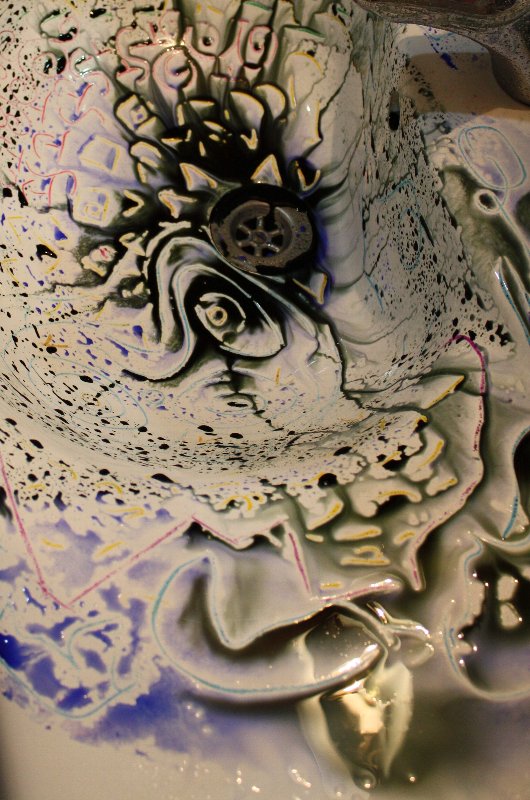
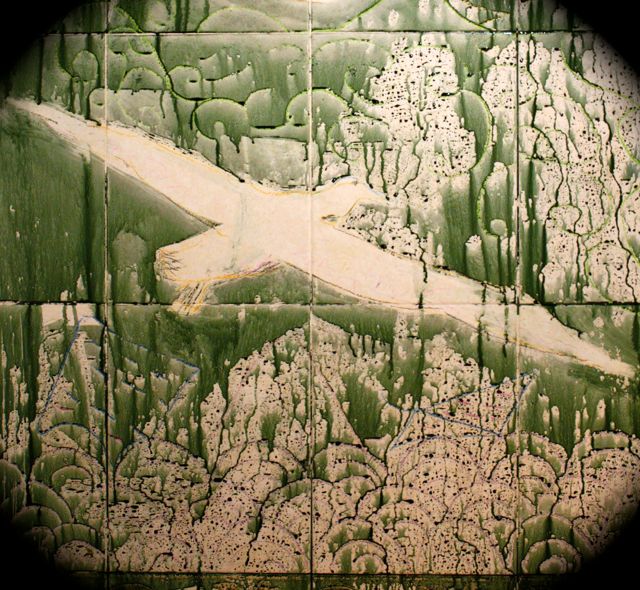
Unlike other artists, Ruike does not prefer to paint on paper or canvas. It is the tiled walls of hotel-room bathrooms that serve as his canvas. With Japanese Ink and oil pastels this artist creates spellbinding oeuvres of which he takes digital photographs. Once it is digitally imprinted he does not forget to wipe it off from the walls. Ask him why bathrooms and he says matter-of-factly, “I was literally living out of bags those days. So carrying around multiple canvases or papers would have been quite difficult. Today, because of my hectic schedules I don’t even get to paint on walls.”

Aomori, Japan, might be home to this soft-spoken man, but he keeps a special place in his heart for the vibrant wonder that is India. Once, the initial cultural shock worn off Ruike secretly started admiring the unconditional warmth the country exuded towards any one who crosses its borders.

Japanese do not have as many dance forms as you guys do. The costumes, the colours, the dances at weddings, everything about India is rich with colours. Even the traditional artforms are quite enjoyable,” he says.

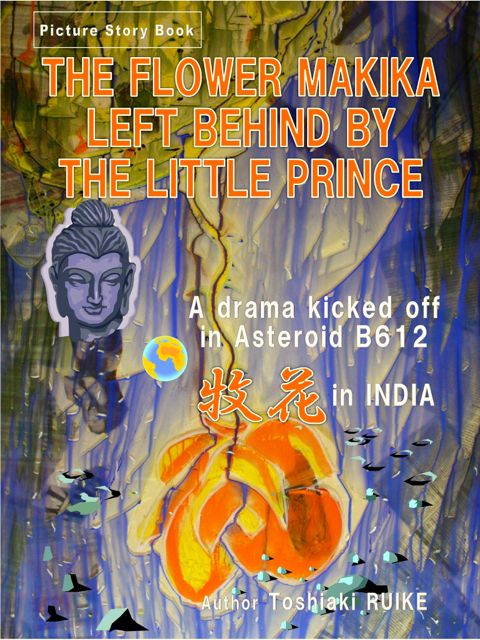
Ruike, who found solace in Yoga from India, had written three ebooks on Yoga in Japanese, which were published by Amazon. The latest from his kitty is a picture book, ‘The Flower Makika Left Behind by the Little Prince’. Antoine de Saint-Exupéry’s most cherished work ‘Little Prince’ is being revisited in Ruike’s book. He elaborates on the flower Makika that bloomed in Asteroid B612 in the book. Ruike makes it point to use his own illustrations in blog-e381a8e3828a_0617-1daruma-for-dreamingall his books.

I am currently trying to translate Makika into English. As my English is not that good I am struggling a bit,” says Ruike with a smile. His interests do not stop at literature or art, he often finds time to produce videos on subjects that pique his intrigue and upload them in YouTube. It could be people, places and paintings.

In 2011, when the tsunami and earthquake hit the shores of Japan, Ruike’s parents lost their ancestral home in Aomori. Ruike saw to it that they were safely reinstated in a new home in Tokyo. In Japan, where natural disasters are as common as road accidents in India, he takes all the traumas he had endured in his stride.

Ruike, who is 60-years-old now, has many dreams to pursue once he’s retired.

Today, my days are filled with work, work and more work. I want to be a full-time artist or writer once I am retired. In Japan, 65 is the maximum retirement age. I have tried to become a full-time artist in Japan but the people in there do not seem to admire my art. So I had to return to my old job,” says Ruike.

blog-the-flower-makika-cover1Ruike’s youngest son, who did his MBA from the Delhi University is currently working with a Japanese company and his daughter is married and settled in Tokyo. He will return to Japan after his one month stint at Amritsar where he has to overlook the work being conducted by his company.

I will be back to Kerala as soon as I can. I just love this place,” Ruike signs off with a lasting sayonara

Carved in Creativity


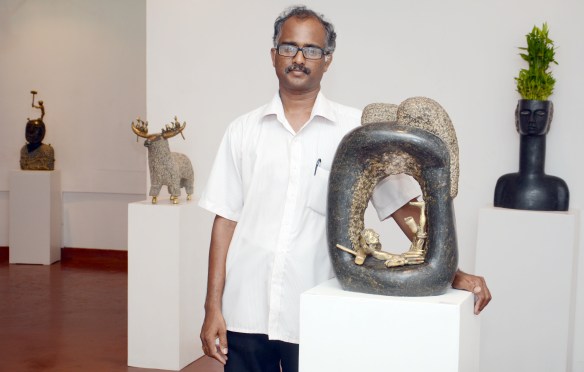
   'Stone Age', exhibition by V Satheesan | Express/ Manu R Mavelil
 

'Stone Age', exhibition by V Satheesan | Express/ Manu R Mavelil

Pics Manu R Mavelil

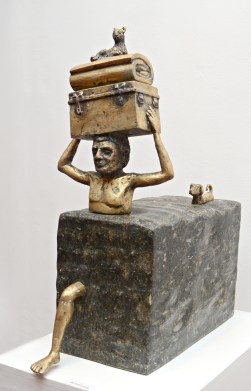
Breaking free from the recoiling pasts and flooding emotions, he walks away with the little he had summoned up. Carrying his belongings – throbbing memories and companions who walked beside him through thick and thin – his face reflects the serenity of a survivor and lo! he chances upon a foothold. ‘Flood’ – a granite-bronze sculpture that speaks volumes about survival – is sculptor V Satheesan’s portrayal of an artist’s existential crisis.

‘Stone Age’ an exhibition of sculptures being conducted at the Alliance Française De Trivandrum, recalls the Mayan era, stirring up impalpable emotions on an onlooker. The sculptures, aesthetically-designed and well-crafted, depict an artist’s perennial struggles in simple yet spellbinding metaphors.

Satheesan’s oeuvres are ravishing poetry adorned in verdigris (Klavu) and palpable emotions.  “I experiment with various mediums to get the right result. The greenness of verdigris donates an earthiness to the work hence I don’t want to polish it out. Likewise I tend to polish only parts of the work to give smoothness where needed. The rhythm of carving changes in different areas in granite,” says Satheesan.

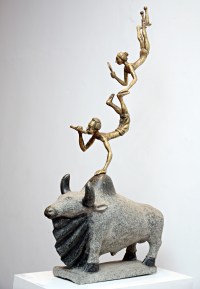
The sculptures from the ‘Awakening slave’ to the ‘Metamorphosis’, are a cry for acceptance.  Evoking the artist’s implacable yearning to be out there, 'Stone Age', exhibition by V Satheesan | Express/ Manu R Mavelilthey delineate his coming out of shells or cocoons, breaking the barriers. “A sculptor’s life is full of struggles. From the physical exertion to the lack of acceptance, it is not easy to be a sculptor in Kerala. The state is not yet ready to spend money on a sculpture. But I don’t mind that. I have developed an unfathomable attachment with my 'Stone Age', exhibition by V Satheesan | Express/ Manu R Mavelilworks since I have spent months envisioning and creating them,” says Satheesan who spends hours stroking his works to smoothen out their roughness. The 20 sculptures, the result of eight years worth of toil, shows the artist’s creative streak in its fullness. The bronze hooves and horns of the sandstone sheep shine when the rider leads him to eternity. His hand cuddles up a small lamb that looks at the world with its innate innocence. ‘Rider’, Satheesan’s state-award winning sculpture exhibits his strength and versatility in all its glory.
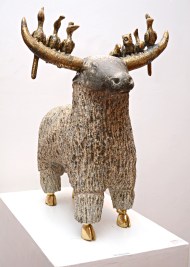
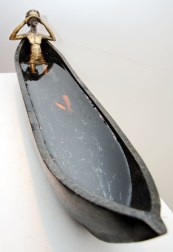
An art teacher at Kendriya Vidyalaya, Pattom, Satheesan started exploring the art of sculpture making from the tender age of 8. Hailing from Kappil, a pastoral beauty with breathtaking greenery, he made mini figurines that acted as dolls for an eight-year-old, out of clay he collected from the rice fields. At first his subjects didn’t go beyond the gods and goddesses and his perfect replicas made people take notice of his talent. Later on, he joined for BFA sculpture in Fine Arts College in the city and learnt various genres of the artform. Satheesan’s struggles to find a footing in the art world started when he left the city to do MFA at the Delhi University. There he had suffered from not knowing the languageand loneliness. Most of his works Pics: Manu R Mavelilsimulate the agony and anguish of those days in sheer perfection.

“Because I think and act differently I had to face rejections from all around. My sculptures are reproductions of sparks of ideas I get during my journeys. Those sparks for me are three dimensional unlike painters. Once they are put into stone, it earns a fourth dimension that is my experience and viewpoints,” says Satheesan.

The nemesis of man is himself; Satheesan’s works are vociferous renditions of such a concept. In this world of humongous sculptures these miniature wworks rightfully named ‘Frozen poetry’ takes the art to several notches up with its sheer genuineness and aestheticism.

Keeping The Legacy Alive

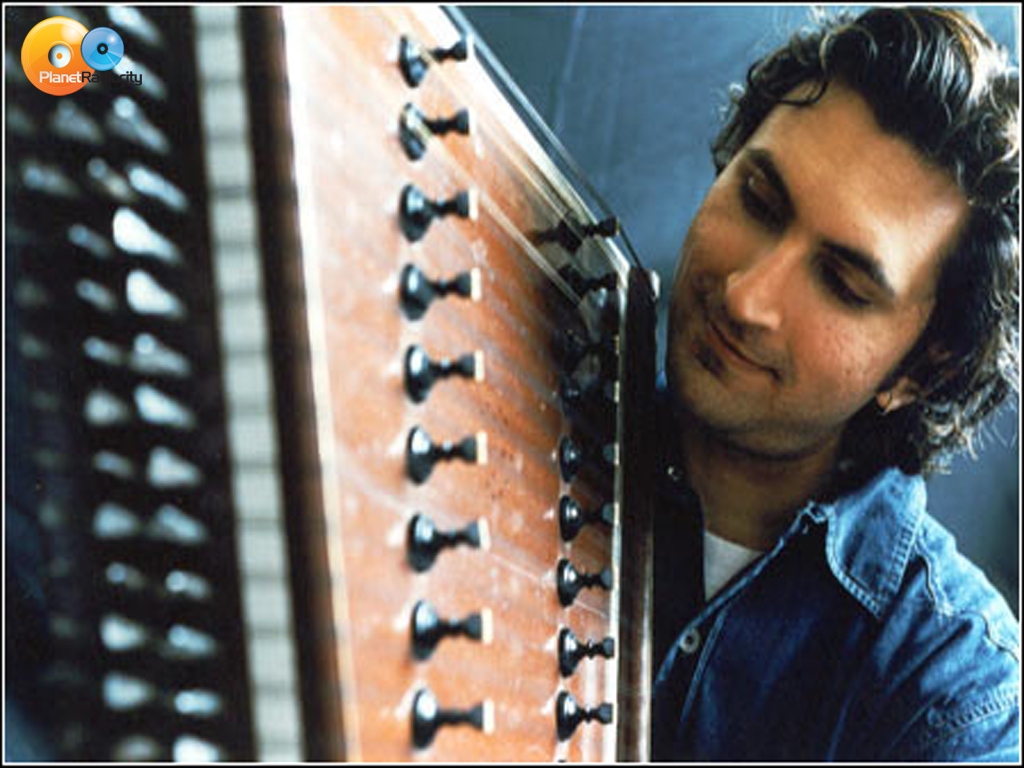
rahul stdg photo  The silence ringing in the Nishagandhi auditorium melted into a melodious Raga. The strings of Santoor were delicately touched awoke by those mezrab-adorned magical fingers. Taking Beethoven’s words into a far higher level, the mellifluous music flowing from Rahul Sharma is a bigger revelation than all wisdom and philosophy. This musician, who carries a musical legacy on his shoulders with panache, spared some time to talk to the City Express, on his visit to the capital city.

“When I was around 13 or 14, like every other teenager I was confused about what I should do going forward. But over the years I have concentrated on various aspects of music and realised it is my true calling. And I had the best guru possible at home,” says Rahul, whose father Shivkumar Sharma is a musical legend.

Born in a family of musicians where both his father and grandfather are Santoor players, Rahul’s entry into music was predesigned. However, it took him many years to come to terms with the responsibility that he had to carry forward. Some might say he had it in a silver platter but hear him out and you will change your opinion in a jiffy.

“My grandfather (Uma Dutt Sharma) introduced ‘Santoor’ to my father, who was learning Tabla at that time. Grandfather had a vision about my father and the instrument. Until then, santoor was used only for Kashmiri folk music but my father has established it as a classical instrument. It all started off like that. And for the past 16-17 years I have been bringing new elements in Santoor. I hope my guru is proud,” he says. Rahul, who used to compose from the tender age of 12 on a harmonium, started learning Santoor around the same time. It is his penchant for experimenting that has rocketed him towards stardom. Having released around 60 albums in his brief career, this musician has been collaborating with music royalty from around the world like Richard Clayderman, KennyG and even grammy-winning Deep Forest for his fusion  music.shivkumar3_kicsi

“Apart from performing Indian classical music, I also came up with my own thematic and fusion albums. It was one of the record companies that suggested I should work with French pianist Richard Clayderman, who was one of the most renowned pianists in the world. I composed an album, ‘Confluence’ with him and it went on to become one of the best selling instrumental albums in India,” he says.

They did three albums together named ‘Confluence’, I, II and III respectively. ‘Namaste’ an album he did with jazz saxophonist Kenny G, reached number one on US billboard charts in 2011. Rahul’s tryst with legends does not end with international names, he has performed and toured with Tabla maestro Zakir Hussain many a time.

“I grew up watching Zakir Hussain play tabla. He started playing with my father when he was 15 years old.  So he’s basically family. We had an album released together and had conducted tours around US. It was fantastic working with him just like every other legend I have worked with because you get to learn so much from the association,” says Rahul.

When asked whether instrumentalists get their due in India, he says it is a myth that people do not enjoy instrumental music. “Instrumentalists are traveling all around the world. The myth is that if you don’t understand classical music you will not enjoy instrumental music, which is not true at all. In Pune, when we performed there were 15,000 people as audience. Sometimes the media doesn’t telecast that. The focus is completely on Bollywood. How much Bollywood music will one listen to? So that’ll change over the years as well,” quips Rahul.

Rahul, who worked in a few Bollywood films such as the star-packed ‘Mujhse Dosti Karoge’, for which he won the ‘best debut music director’ award, feels that Bollywood restricts his creativity. 

1024-rahul-sharma-1_z“I had Lata Mangeshkar singing 3 songs for me in that movie. After that I was offered ‘Hum Tum’, and many other movies but I didn’t do them. I realised that I was getting lost in this movie business where you don’t get to make your decisions. Your music will have the influence of the director to the actor. And also as a travelling musician you need a lot of focus and discipline. Sitting in studios and composing throws you out of your focus,” he says. 

Rahul names Dr Dhananjay Daithankar (Santoor), Takahiro Arai from Japan and Haridas from Kerala as the upcoming talents in Santoor. Rahul who has many albums and world tours in the pipeline has recently done music for Vivek Agnihotri’s unreleased film ‘Freedom’. He says to come up in music one should have “determination, dedication and more importantly the right guru”. He signs off.