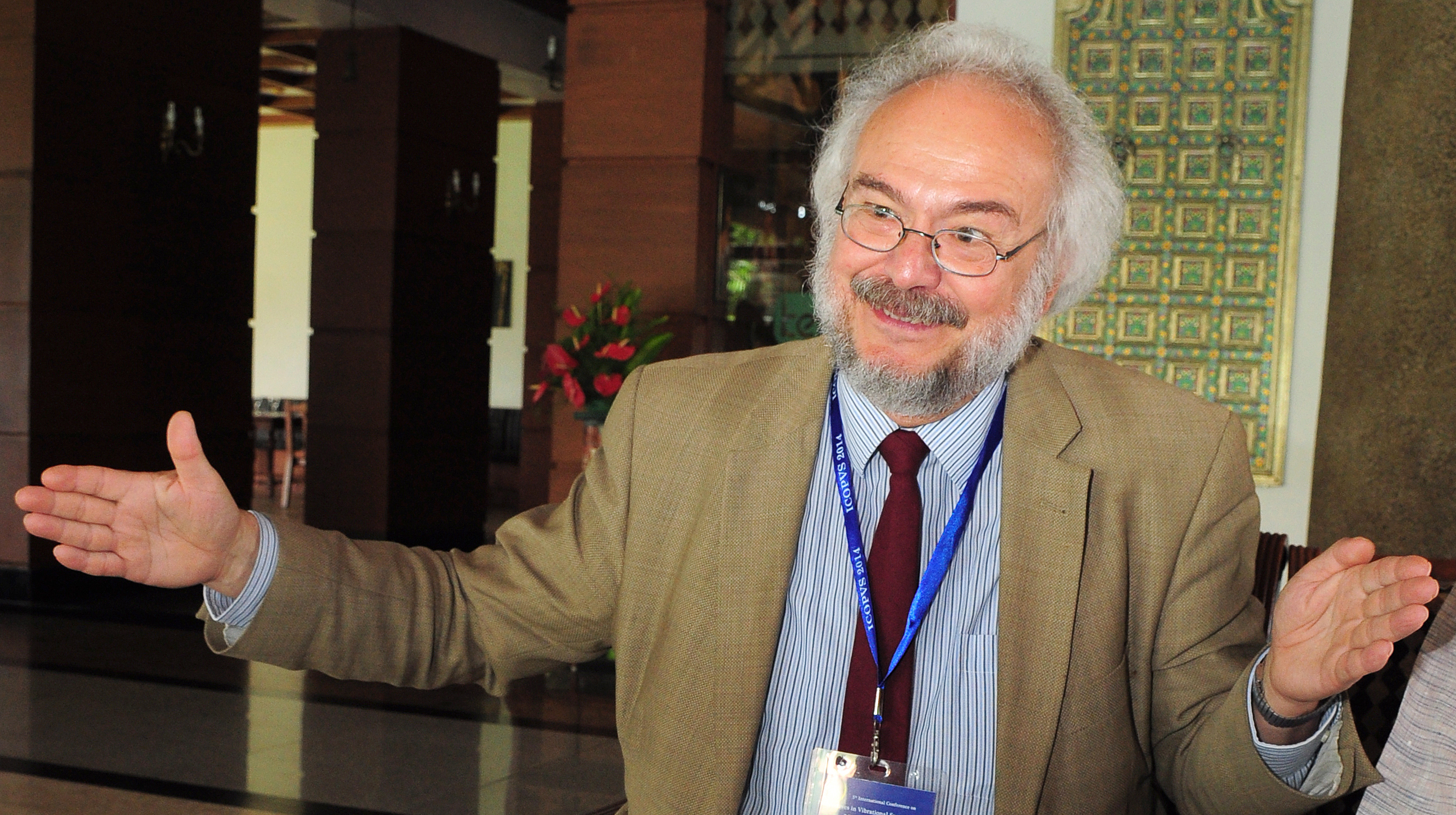
 In one look he resembles a lesser-hairy version of Karl Marx, but talk to him a tad longer and you may doubt he is the alter ego of St Nicholas, the Santa Claus. Such is the exuberance emitting from Dr Herbert Michael Heise, the German spectroscopist, who had been to the capital city with regard to a science meet being held here.
Ask him about spectroscopy and this scientist will lighten up in a jiffy. His cheery countenance may even come as a surprise in a world where scientists are deemed grouchy nerds. But do not brush him off as a charming science man, because beneath his adorable exterior lies one of the most brilliant minds of his time. Carrying his humility on his sleeve, this physicist narrates his illustrious journey through the formidable world of physics in his strong German-Australian accent.
“Spectroscopy will become a very interesting subject once you get to know the possibilities it has on offer. My interests do not limit to one genre like vibrational spectroscopy alone. I started with microwave spectroscopy which is using microwave radiation to measure the energies of rotational transitions for molecules in the gas phase. And we spectroscopists learn how these molecules are formed, what atoms are involved and what structure it has. Size of the molecule can be determined from the rotational spectrum,” says Herbert. For the uninitiated, Spectroscopy is a branch of physics which studies the relationship between matter and radiated energy through light and its vibrant colours. This physicist, who has an enviable repertoire in the world of science, has been globe trotting to impart his knowledge among science lovers from across the globe. He has age-old tie-ups with National Physical Laboratory, New Delhi, Benares Hindu University, Varanasi and a few universities in Chennai as well.
“I have been coming to India for many years now. I have been working closely with the young physics enthusiasts and spectroscopists out here,” he says.
Herbert’s entry into the world of science was destined. Medicine, which most other bookish students were interested in, never piqued his intrigue. Rather, the thought of blood and human body parts, made him nauseous at times. Incidentally, this spectroscopist’s contributions to the field of medicine, especially cancer, are humongous.
“We had a very good chemistry teacher who came from South of Germany. He made us do a lot of mechanics and dabble with other interesting areas of science. During those days I was intrigued by many things such as the beginning of life and astronomy. I enjoyed watching stars and planets in the night and learning about their inception and their lifespan. Astrophysics thus became my favourite subject. I began to learn how an element was formed, for example sun is formed with hydrogen and nuclear fusion,” quips Herbert. 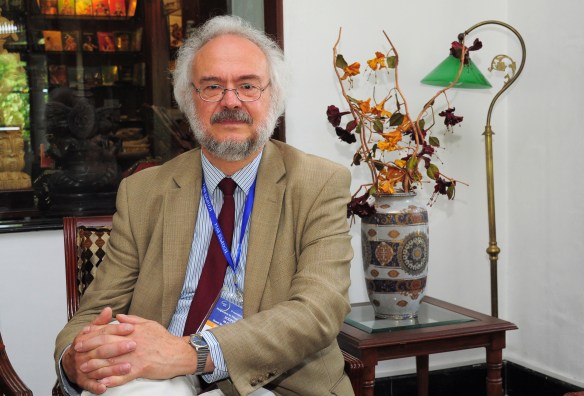
Herbert earned his Phd at the age of 23. He went to do his post-doctoral work in Western Australia and Perth. After 2 years of learning more and digging deep into the subject, he got the opportunity to get into one of the biggest research institutions in Germany, Institute of Spectrochemistry. And sooner than later he addressed an international audience at a science conference in Venice.
“Spectro-physics was invented more than 150 years ago and using this analytical tool working with protons and light one can do wonders. It is a fascinating area because you can use it for recognising drug usage to forensic investigation,” says Herbert. From playing a huge part in curing cancer (Raman spectroscopy) to adding perfume to your attire, spectroscopy is widely used in our day-to-day life.
Herbert, who is involved in a spate of projects across the globe, is quite passionate about the medical instruments which he has been developing for the past few years.
“With those instruments one does not have to keep checking their blood for sugar or other diseases. Just by keeping it near your body it reads the amount of sugar in one’s body and even if it’s low or high one can take immediate action,” says Herbert.
He is also working closely with dermatologists to find a cure for the diseases caused by ultraviolet rays (uvi).
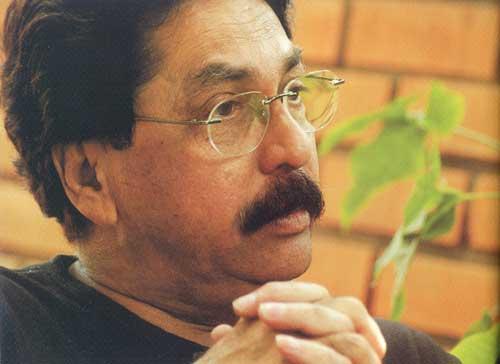
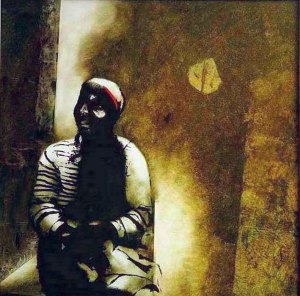 The solitude series which portrays man in his weakest of moments contemplating, nursing his mental wounds, all battered and torn, is a representation of the artist’s own agony. Similarly, every painting of Yusuf has some story or other to narrate to the viewers. His reading habit is what led him to do a series on books, which has inspirations from Chinese sculptures to K C S Panicker. After visiting Vaikom Muhammed Basheer at his home, Yusuf had come up with the idea of a series on Basheer and his works. Though it materialised only after Basheer’s death, many still consider those as his best of works.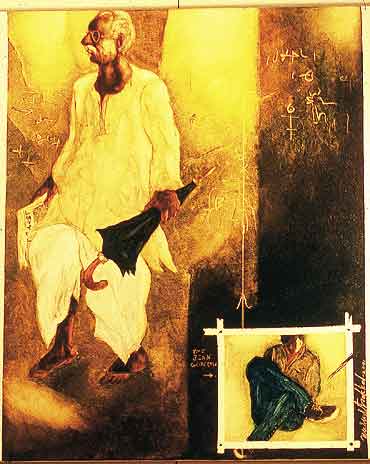
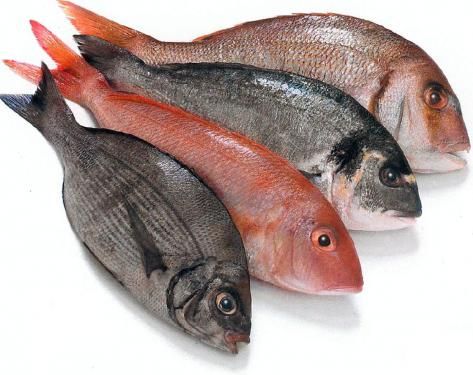
 Kudampuli (gambooge) is an inimitable ingredient in many fish curries around Kerala. Whether it is Ernakulam, Kottayam or Kollam, kudampuli is one common element that is being used in fish curries all over Kerala.
 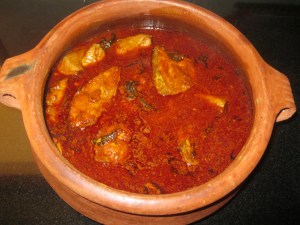 Though, Thiruvananthapuram fish curries are not famous in North, its taste and flavours are much different from any other district. “We use drumsticks and some times bitter mangoes in our fish curries and our curries are brown rather than red,” says Jayashree K S from Thiruvananthapuram.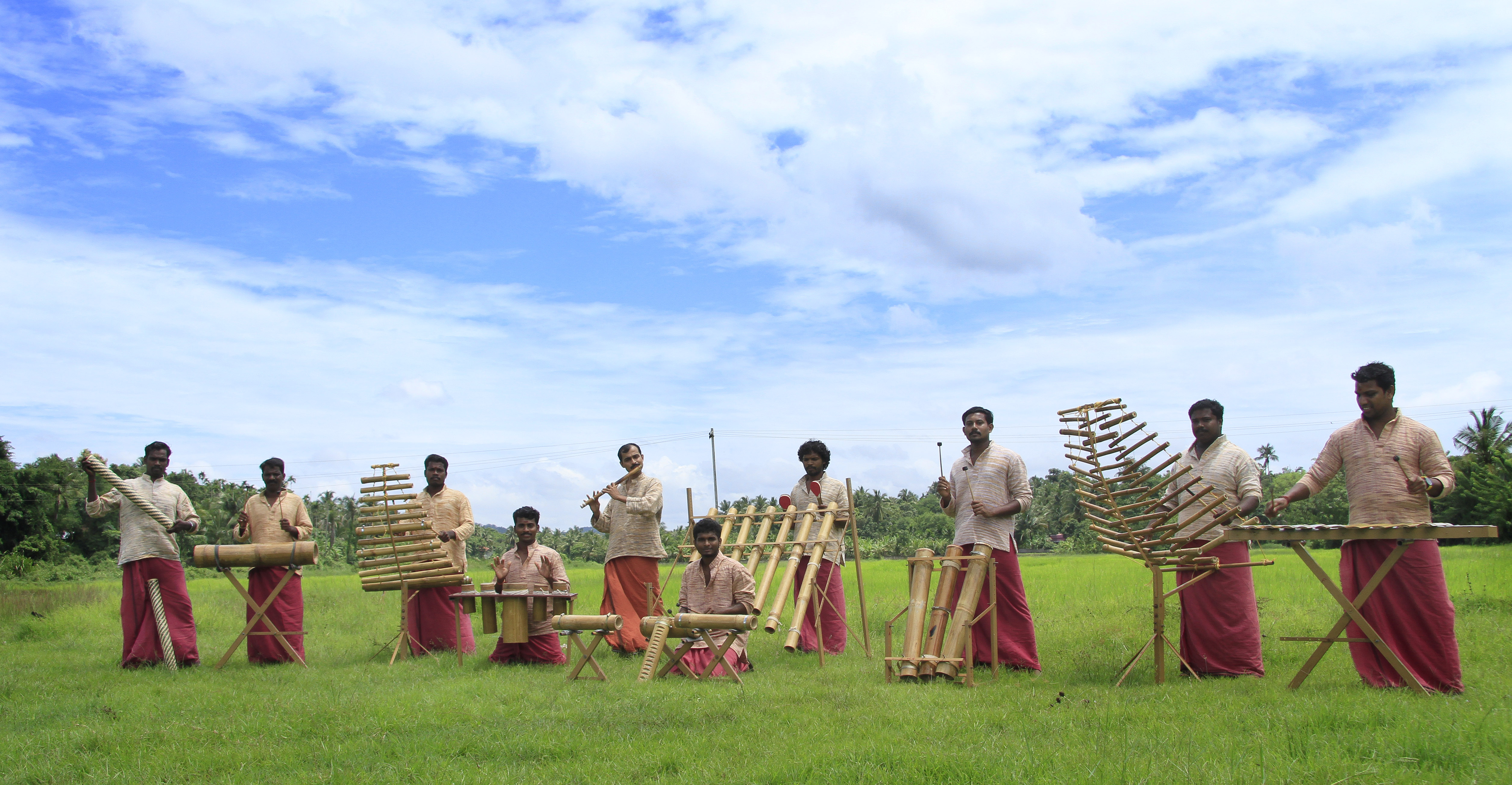
 “There was a Centre for Folklore Studies in Thrissur. I worked closely with the organisation. Their work made me understand the value of our culture and tradition, and the pressing need for preserving them. I joined hands with a few like-minded friends, and Vayali was born,” he adds.
 Vayali has performed at the Kerala Kalamandalam, Fireflies Festival of Sacred Music in Bangalore, in an ensemble with the Japanese Bamboo Orchestra Rakutakedan at Kalpetta and the CMS Vatavaran Short Film Festival in New Delhi.


 An Insomniac's Musings