Unknown's avatar

About Chencho Sherin

The world is bursting with possibilities, and thanks to technology, I can spill my thoughts onto a screen and, just like that, share them with thousands in seconds. No carrier pigeons, no smoke signals, just pure digital magic. As Barney Stinson would say, legen, wait for it, dary! Now, I wouldn’t call myself a blogger just yet, but I did have a little fling with WordPress during my Master’s project. I’m Chencho Sherin Thomas, and this is my not-so-secret mission to sharpen my writing skills. Expect some brilliance, some blunders, and maybe a rogue typo or two. Feel free to call them out, I promise I won’t take it too personally!

A lensman’s journal (Published in the New Indian Express on May 04, 2013)

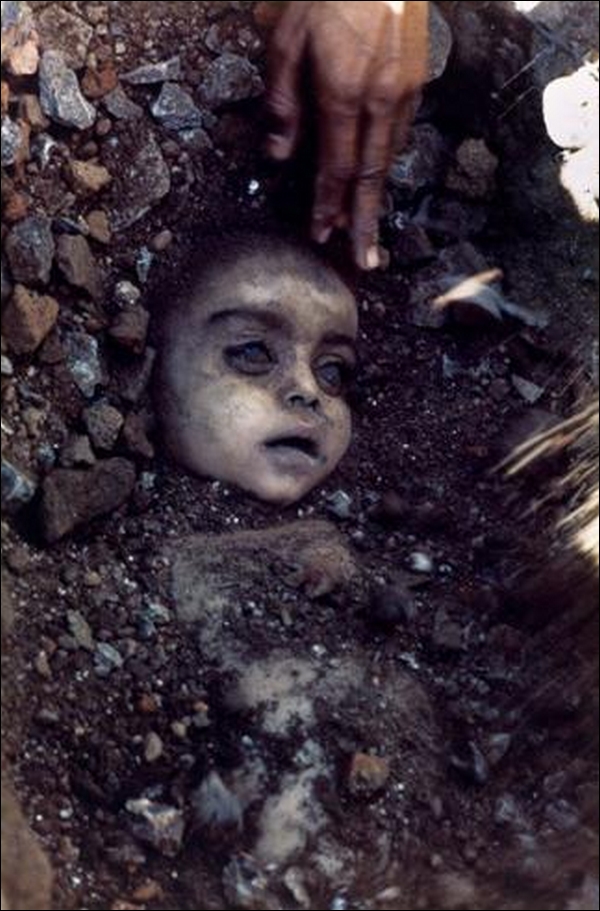
Beneath the sand and gravels shined her porcelain-like skin, innocent blue eyes wide with wonder and half-open mouth concealed an unruly cry, she was all but a child, and one among the 3,787 people died in the Bhopal tragedy. When the picture trails you through the roads of angst and despair Bhopal has endured, one wouldn’t hesitate to agree ‘a picture is worth a thousand words’. When lensman Pablo Bartholomew’s eyes travel through the time and people in a shutter speed, his camera deftly captures these breath-taking signature photographs.3108
For Pablo, who has won this year’s Padma Shri for his photojournalistic expeditions, his photographs are methods to express the creative streak in him. With a career spanning 40 years, Pablo has nothing but humility as his cohort. Having had Richard Bartholomew as his father, who had practically dominated Indian art-critic world in his era, Pablo did not have to look anywhere else for mentors. Within his multitude of talents Richard hid his photographic skills as well.

“My father was not only an art critic, he was a thinker, poet and also a photographer, so we had photography equipments and darkroom facilities at home. I was introduced to the world of photography when I was 7 or 8 and with my new camera at hand I took photos of everyday subjects. So it was very easy for me to take up photography as my passion,” says Pablo. Pablo’s house was a meeting place for a stream of creative people as both his parents enjoyed inviting their friends over. His mother Rati Batra, was a theatre artiste, hence Pablo had the luxury to meet all genres of artists like directors, actors, writers, and also his fathers artist friends. IMG_20130408_2206235
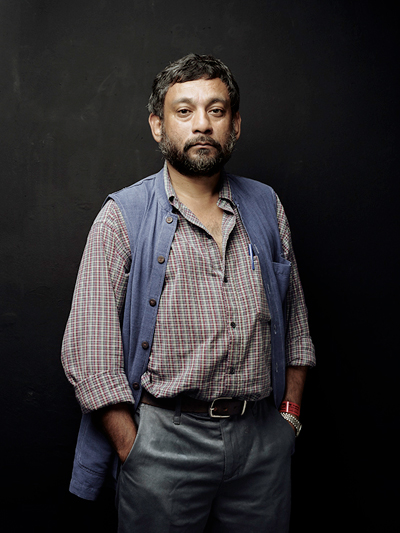
“It was not only my father who was creative but my mother being a theatre artiste was quite adept in art and literature. I have got the opportunity to closely watch these creative minds at work and learned very early that it is art that would lead me to what I want to become. There was so much creativity around me and I got inspired easily,” says Pablo. He chose people as his subjects at a very young age and wrote poems of their expressions with his camera.

His award-winning photo series ‘Morphine addicts in India’ etches an unknown world masked underneath the polished morale of India and Indians. Myriad portrayals of a woman addicted to morphine, her insufferable agony, her shattered ego, her stooped eyes, her contemplating gestures, come and go in various frames. The helplessness that exudes from her face defines the youth of 70s and their forbidding indulgences.

Pablo says the digital era is not threatening as evolution of technology is inimitable, nonetheless, not all can take a good picture that has all the ingredients of one.

“It is just like writing. Anybody can write today, but is it all writing? With a good computer application one could correct grammar, spelling errors and make a good sentence, but is it actually writing? Likewise a digital camera can take good pictures but the aesthetics of photography is for those who are real photographers,” He says.
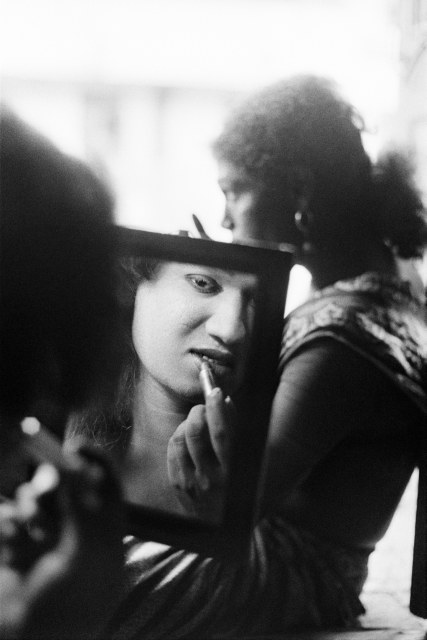
Chronicles of a Past Life - BOMBAY 70's & 80'sPablo who had grown up learning the hard way of photography techniques, decided to quit his school at a very young age. “Photography was my vision as I was not keen on education. It became my calling as I chose photography over school. No parents will support your child’s decision to quit school, so even though they were reluctant at first, being liberal, they accepted my decision,” he says.

Pablo received World Press Photo award at the age of 19 for his series Morphine Addicts in India. His photo on Bhopal gas tragedy (1984) won that year’s world press photo of the year award. Pablo who has travelled immensely in India recalls his visiting Kerala as rewarding. Though landscapes are not his forte, Kerala, he says, has gifted him beauty nestled in its breathtaking mountains and valleys.

A photojournalist has to be particular about his role, says Pablo, as it is very easy for him to fall for the victim in a crisis situation. “Is he an activist, a neutral observer or a person who could broadcast this picture and make a difference to the situation? A photographer should make his mind about his role, when he is dealing with sensitive situations,” says Pablo. Pablo received his Padma Shri on Friday, April 5th. “Receiving a Padma award is overwhelming as I count it as a recognition for both my and my father’s works,” says Pablo.
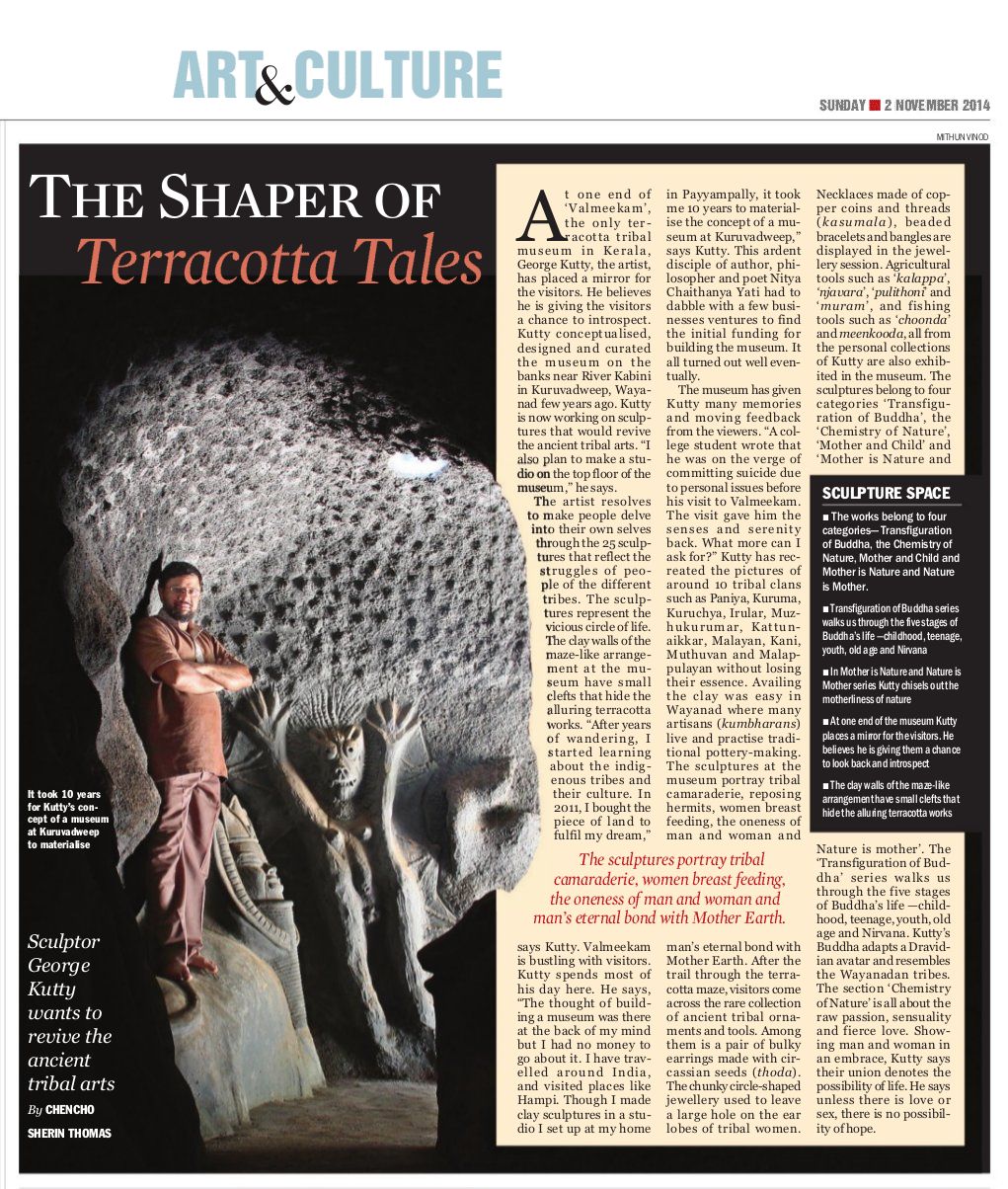
The Shaper of Terracotta Tales

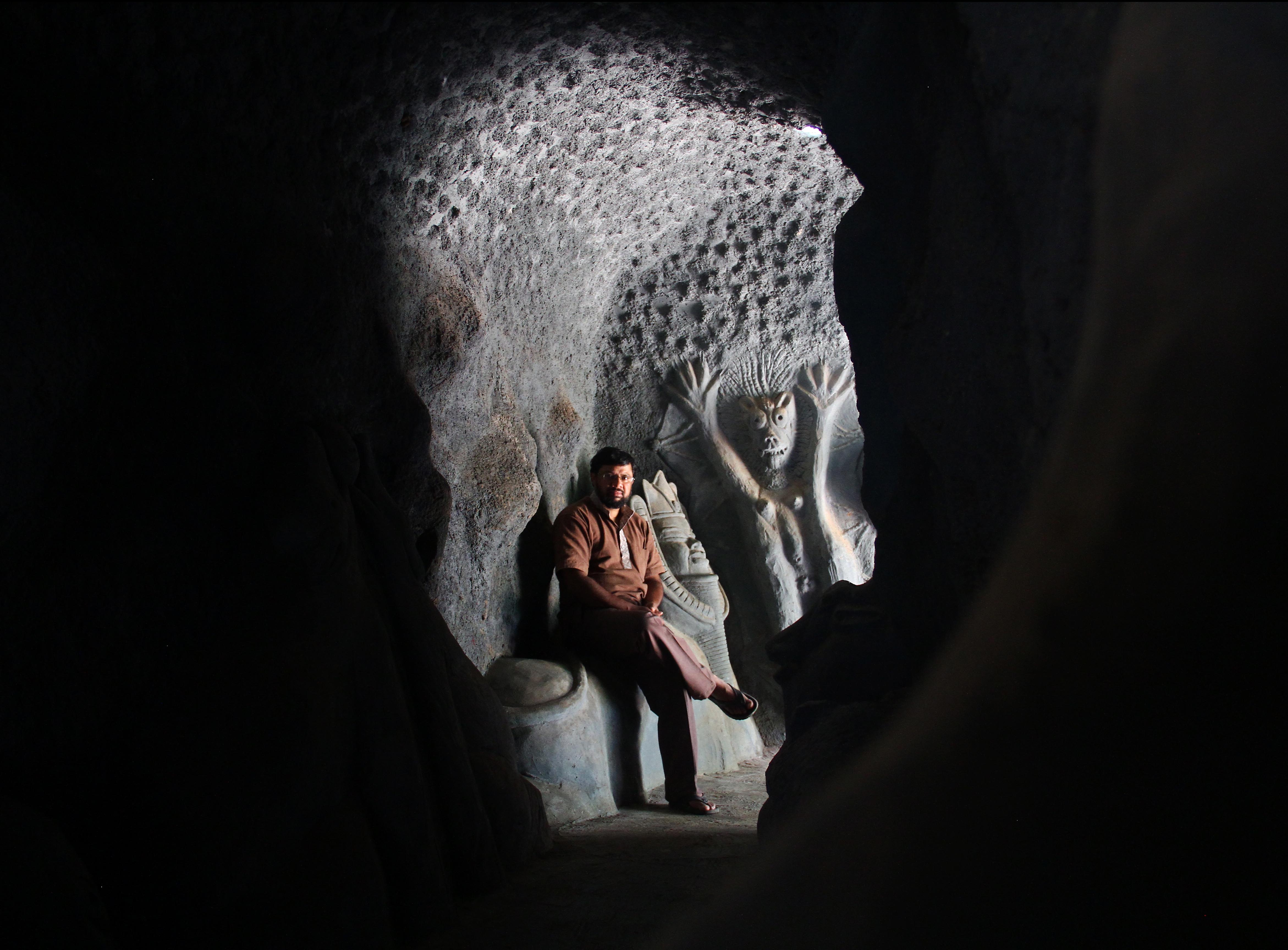
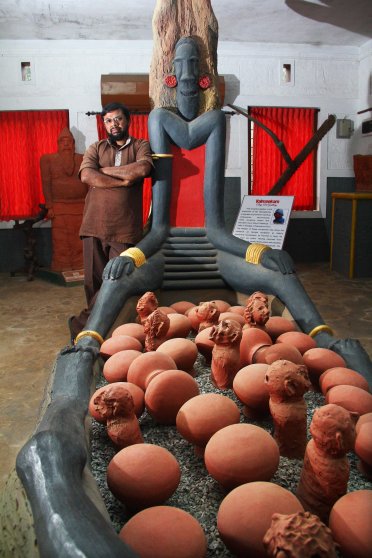
????????????????????????????????????????????????????????????????????????????????????????????????????????????????????????????????????????????????????????????????    A life-like structure of a demon’s head is what ushers you to ‘Valmeekam’, the sole terracotta tribal museum in Kerala. Inch a little towards the entrance and you may see a bearded man painting one of the pillars green. But George Kutty is sure to look up from his chore and welcome you with both his hands to the museum where he had invested his heart and soul for the past three years. From the minute detailing of the pillar to the large terracotta sculptures that beckon you from the mysterious labyrinth-like structure, everything in Valmeekam has been conceptualised, designed and built by this exceptional man.

George Kutty had envisioned a museum that would impart ample information about the erstwhile tribal era to the coming generation. However, his sculptures are philosophical and spiritual to the very core and oust out negativity from the viewers. Etching the perennial struggles of tribes with his rustic yet adept handwork, Kutty is in a sole resolve to make people delve deep into their own selves. The sculptures 25 in number represent the vicious life circle of a human being. Sculptor Georgekutty at his clay art gallery and tribal museum '
“After years of wandering, I came to my land one fine day and started learning about the indigenous tribes and their culture. With a museum I wanted to showcase my devotion to Mother Earth. So in 2011 I bought this land,” says Kutty.

Located at one of the major tourist centres in Wayanad, Kuruvadweep, Valmeekam is always bustling with visitors. However, George Kutty, who spends most of his day here, makes sure to keep the sanctity of the museum intact. This gifted sculptor recalls the day he set out penniless to build a museum on the shores of River Kabini.
“The museum was always there in the back of my mind but I had no money to go about it. So I have travelled around India, visited places that have a rich history of sculpture art such as Hampi and returned back with a decision. Even though, I kept on making clay sculptures in a studio I set up at my home in Payyampally, it took ten years for me to actually buy a 50 cent land at Kuruvadweep,” says George Kutty. This ardent disciple of Nitya Chaithanya Yati, had to do myriad businesses such as hotel and cold storage to find the initial funding for his brainchild. But he says it all turned out good because of Yati’s blessings and nothing else.

The museum, which often serves as an eye-opener to the onlookers, has given George Kutty many memories to cherish. Even though, there are many occasions when he was taken aback by the response from the people, it was the words of a college student that stayed with him.

“A college student who visited Valmeekam wrote he was about to commit suicide due to many personal issues haunting him but the museum had given him his senses and serenity back. And what more can I ask for,” George Kutty exhales.

He wanted each of his sculptures to have a mystifying aura about them. Hence, the clay walls of the maze have small clefts that hide these alluring terracotta oeuvres. Unless you walk right before them you may not get to see them even. Ask him whether he had seen this maze-like structure anywhere else and Kutty says it is his special penchant for JCBs that made him come up with these walls. But he grows numerous wild plants, butterflies and birds inside the maze making it a small forest.

Grorge Kutty has taken pictures of around ten tribal clans such as Paniya, Kuruma, Kuruchya, Irular, Muzhukurumar,  Kattunaikkar, Malayan, Kani, Muthuvan and Malappulayan  and recreated them without losing their essence. For Georgekutty availing clay never posed an issue. In Wayanad there are many artisans (kumbharans), who earn their livelihood from pottery making. And George Kutty befriended them and has been getting clay from them for a meager amount.

“I have some more future plans for the museum. I am working on sculptures that would bring back the ancient tribal arts that are no longer to be seen. So they will make an entrance into the museum soon. I also plan to make a studio on the top floor of the museum,” he says.

Entwining man’s perpetual quest for spirituality with emotions such as hunger, passion and love, this sculptor carves sheer poetry on clay. Transcending from mere eye candy to thought provoking art, these works stay true to their roots. There are sculptures that portray tribal camaraderie, reposing hermits, breeding-breastfeeding women, the oneness of man and woman and man’s eternal bond with Mother Earth. He seems to say that love and passion are inimitable for living beings as they are the source of life.

After the trail through the terracotta maze we get to experience a rare collection of tribal ornaments and tools from eons Sculptor Georgekutty at his clay art gallery and tribal museum 'ago. Among them is a pair of bulky earrings made with circassian seeds (thoda). This chunky circle-shaped jewelry used to leave a large hole on the ear lobes of tribal women. Necklaces made of copper coins and threads (kasumala), beaded bracelets and bangles are displayed in the jewellery session. Clay platelets that remind you of Edakkal Caves are also George Kutty’s creations. Agricultural tools such as ‘kalappa’, ‘njavara’, ‘pulithoni’ and ‘muram’, fishing tools such as ‘choonda’ and meenkooda, all from the personal collections of Kutty are also being exhibited in the museum. Multiple photographs taken from in and around Wayanad are also being exhibited in the museum.
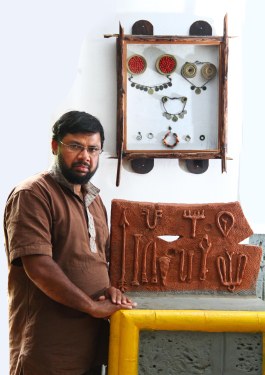
George Kutty’s hands have made the pillars to the enticing sculptures at ‘Valmeekam’ . So it comes as no surprise when he says he cherishes ‘Valmeekam’ like his own sons. He made his family a part of it all too. His mother and wife have a shop in the same building that sells Bamboo artifacts, Wayanadan oils, honey and George Kutty’s very own tribal masks.

Box

????????????????????????????????????????????????????????????????????????????????????????????????????????????????????????????????????????????????????????????????George Kutty’s sculptures belong to four categories ‘Transfiguration of Buddha’, the Chemistry of Nature, Mother and Child and Mother is Nature and Nature is mother.
Transfiguration of Buddha series walks us through the five stages of Buddha’s life – Childhood, teenage, youth, old age and Nirvana. However, unlike the Buddha sculptures you see in Buddhist monasteries across the world George Kutty’s Buddha adapts a Dravidian avatar and starkly resembles Wayanadan tribes. According to George Kutty Buddha was perfect to depict man’s life cycle.

Chemistry of nature is all about the raw passion, sensuality and fierce love. By showing man and woman in an embrace, Kutty says that their union denotes the possibility of a life. He says unless there is love or sex, there is no possibility of hope.

It says that nothing can replace the unconditional love of a mother. The profound relationship between a mother and her child blossoms from the very moment the child starts growing in her womb. George brings those emotions into his series ‘Mother and child’. The massive sculpture of a mother watching her children playing in her womb, promises to tug at your heartstrings.

In Mother is Nature and Nature is mother series Kutty chisels out the motherliness of nature. Through the seething roots and earthy emotions he paints a heartwrenching picture of nature with clay.

In the end Kutty places a mirror where one can see oneself. Kutty says he is giving them a chance to look back and introspect on their own lives. He says once we are ready to look into our selves every secret of this world would be visible to us

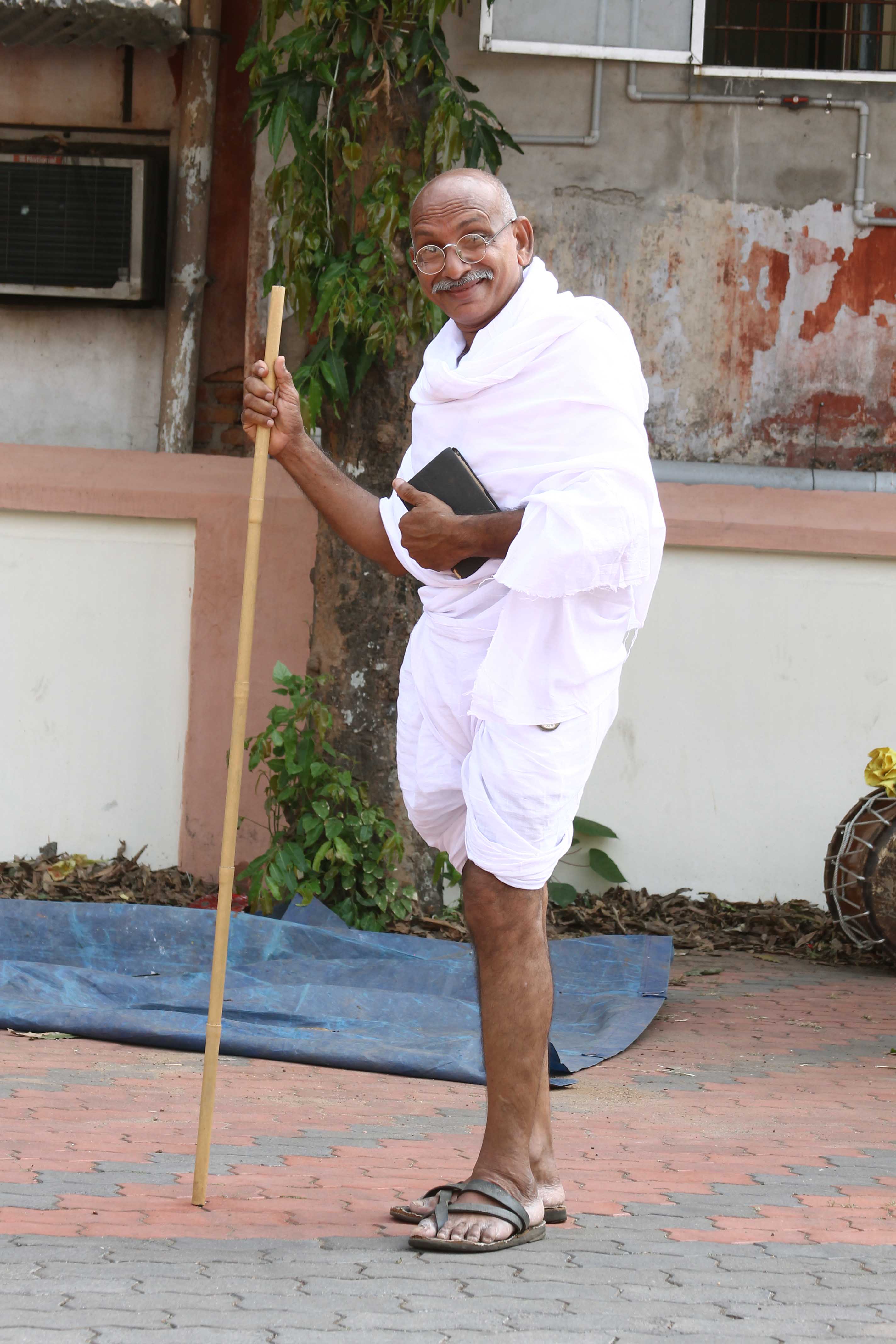
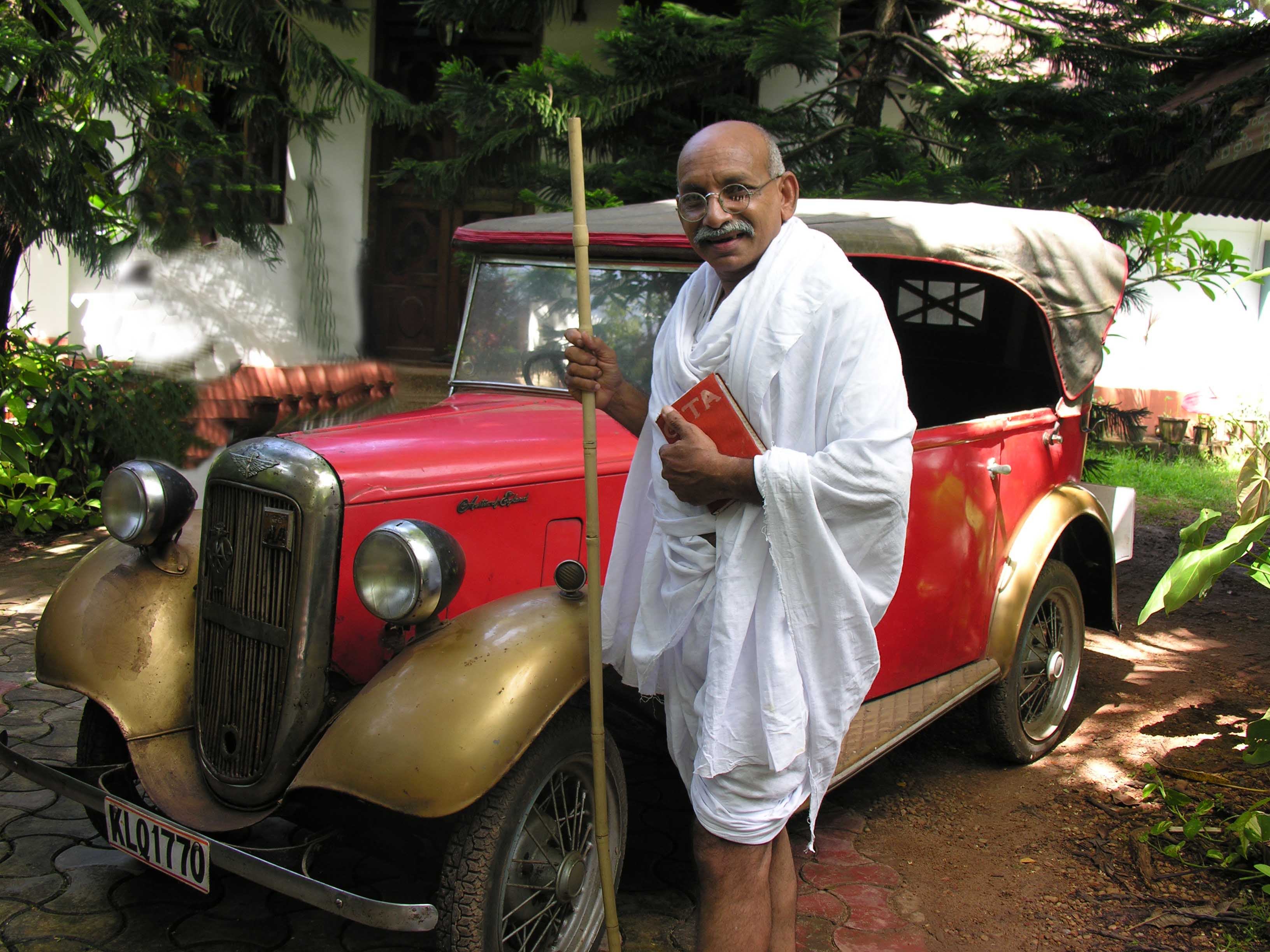
Gandhi Aka George Paul

 IMG_7009His bald head is gleaming in the evening sun, when the oval-rimmed spectacles look up from that benevolent face. The frail form wrapped in a crisp white Khadi shawl leans onto a polished stick for support. The little black-binded Bhagavath Gita is held close to his heart while the gold chain of a pocket watch is hanging from his Dhoti. Such small connotations are all that is needed for an Indian to remember his father of the nation, Mahatma Gandhi. And who else knows it better than George Paul, a man who has been enacting Gandhi on reel and real life for the past 30 years. Ben Kingsley’s Gandhi would give a run for his money, if he ever sees George in his Gandhi avatar. George, who has portrayed Gandhi in around 4,000 occasions, first impersonated him for a fancy-dress competition.

I first dressed up as Gandhi in 1985, April 24 for a fancy-dress competition held in our company. A few of my colleagues in the Punnapra Scooters company, Alleppey, suggested that my face will suit Gandhi‘s role perfectly. Sreekantan, one of my friends who used to act in plays painstakingly did the make-up. Once done, from the admiring glances of the onlookers I instantly knew, it was a success,” says George. People stood up from their seats the moment he entered the arena and greeted him with starstruck gestures.

George, who was just 37 at the time, had to shave-off his long and curly mane, for the act. Henceforth, he had never let it grow. His steady strides to his custom-made leather slippers, there is nothing in George that does not remind you of Gandhi. A staunch vegetarian and a teetotaler, George has been adamantly following Gandhi‘s footsteps for the past 30 G 1years.

The only luxury I have is a bicycle I use for travelling. Otherwise, I try my best to follow Gandhi‘s teachings. This is a god-given gift and I cannot tarnish it with my bad lifestyle,” says George. From naming his house ‘Sabarmathi’ to entering into myriad philanthropical activities, George is reigniting Gandhi‘s name in his own little ways. From school, colleges to cultural fests, there ‘s not a place George has not blessed with his presence. Ask him about the costume and he says he recreated it from the scratch.

One of the local shoemakers made the leather slippers, while an optical shop made the spectacles. One of my friends’ father, who participated in Vaikkom Satyagraha gifted me the watch saying I should return it to him. But when I gave it back to him, he didn’t take it, instead asked me to put it to good use,” says this Gandhi.

An exact replica of Mahatma, George often has to deal with the dizzying adoration of Gandhi fans. But, he says he enjoys the attention and seeks for more.
When asked how his wife and son took his sudden decision to impersonate Gandhi 30 years ago, he says, at first his wife Valsa could not digest him losing the good hair for an impersonation. “Later, when she saw the people’s reaction she conceded,” he says.

George has a spate of feature films, documentaries and shortfilms to his credit where he reprised his Gandhi act. ‘Yugapurushan’, ‘Methiyadippadukal’ and ‘Hansen’s Disease’ are some of his significant works.

I have even received an appreciation certificate from the then Prime Minister Rajiv Gandhi in 1985. One of my friends prompted me to send my details to Rajiv Gandhi and he conferred a certificate to me within a few days,” recalls George. IMG_6999

Currently, George is working on a stage-documentary with a spew of students from St Aloysius School, Punnapra. He also travels around with the speed cartoonist S Jithesh for a stage show Jithesh designed with Gandhi.

Not many would know, it is not Gandhi but George, who has been the model to many Gandhi statues we see in and around the state. This Kothamangalam native, who settled in Alappuzha eons ago, is in a resolve to bring back Gandhi in his walks and talks.