

Manu R Mavelil
Death straps me to the hospital bed, claws its way onto my chest and sits there. I didn’t know it would hurt this much. I didn’t know that everything good that’s ever happened in my life would be emptied out by it,” rued Tessa, a 16-year-old leukemia patient, in Jenny Dunham’s ‘Before I Die’.
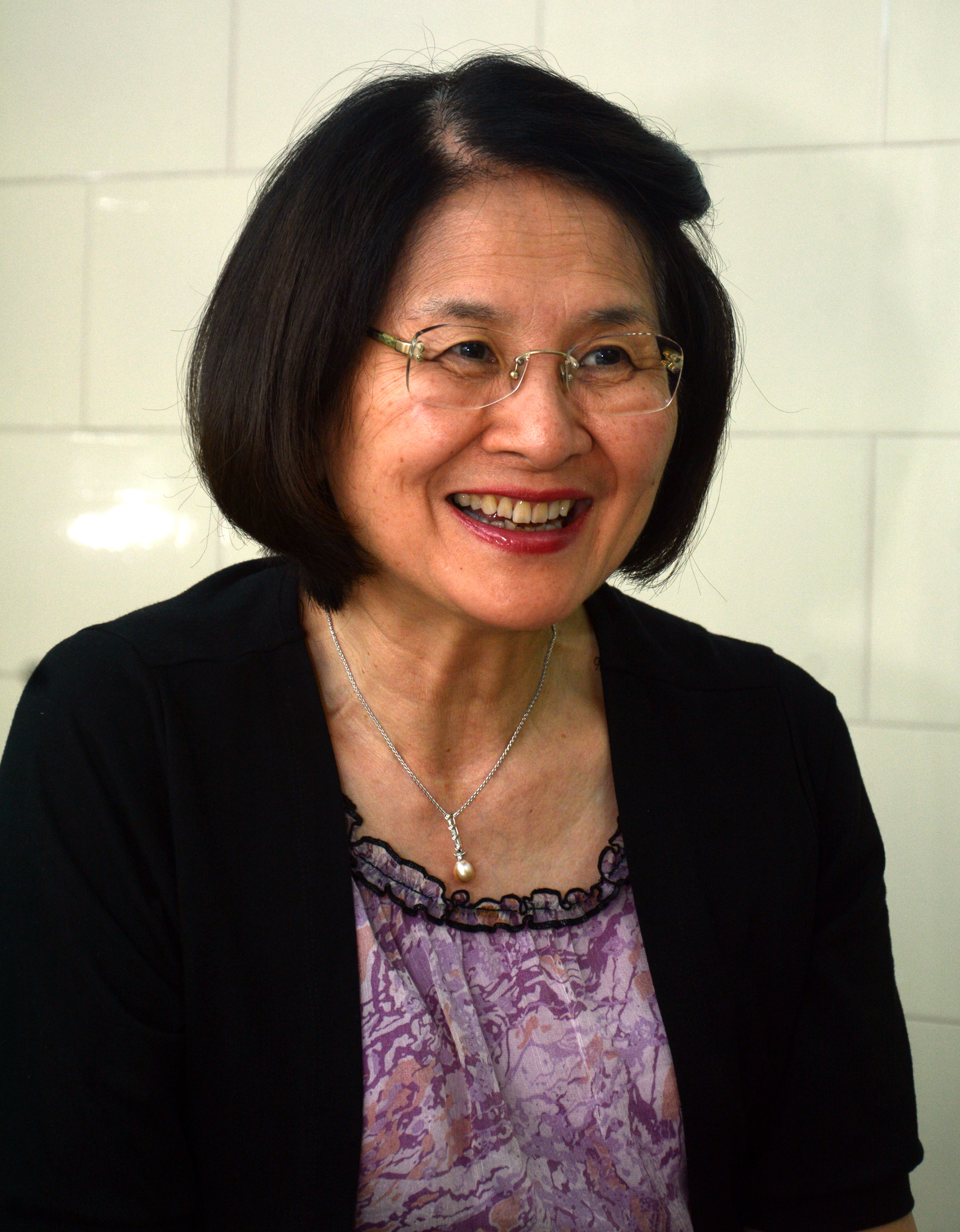
Death, for a terminally ill patient, sadly arrives as an aftermath of a tedious ailing period spent alone in misery. When it finally beckons, even the bravest of them succumb to it without a fight. Once the treatments turn ineffective, the specialised doctors would leave them to wail on their woes without batting an eye. Hope goes marching with them as well. This is where Dr Cynthia Goh, chairperson of the Asia-Pacific Hospice and Palliative Care Network (APHN) and co-chair of the Worldwide Palliative Care Alliance (WPCA), becomes relevant. Cynthia, who carved a niche in the medical field, is the current face of hospice and palliative care in Singapore. Cynthia was in the city to share her experiences to the volunteers of Pallium India, the state’s palliative care unit working efficiently under Dr Rajagopal, while she talked to the City Express.
“The Pallium India in Kerala is working very well. In fact it is the best working model in India. Today, what we see here is real hard work,” says Cynthia.
Cynthia, who garnered her medical degree from St Bartholoemew’s Hospital, London, took the biggest risk of her career by choosing hospice over medicine. Ask her why and she would give us the sweetest of smiles and confide in her impeccable English she has no clue.
“Many ask me this question but I don’t have a clear-cut answer for that. I found palliative care very challenging. It could be the learning I have done from the medical school that inspired me. They taught me to look at a person as whole not as a collection of body parts. That is what most specialised doctors tend to do. Treating one part of the body may not be sufficient when it is care and 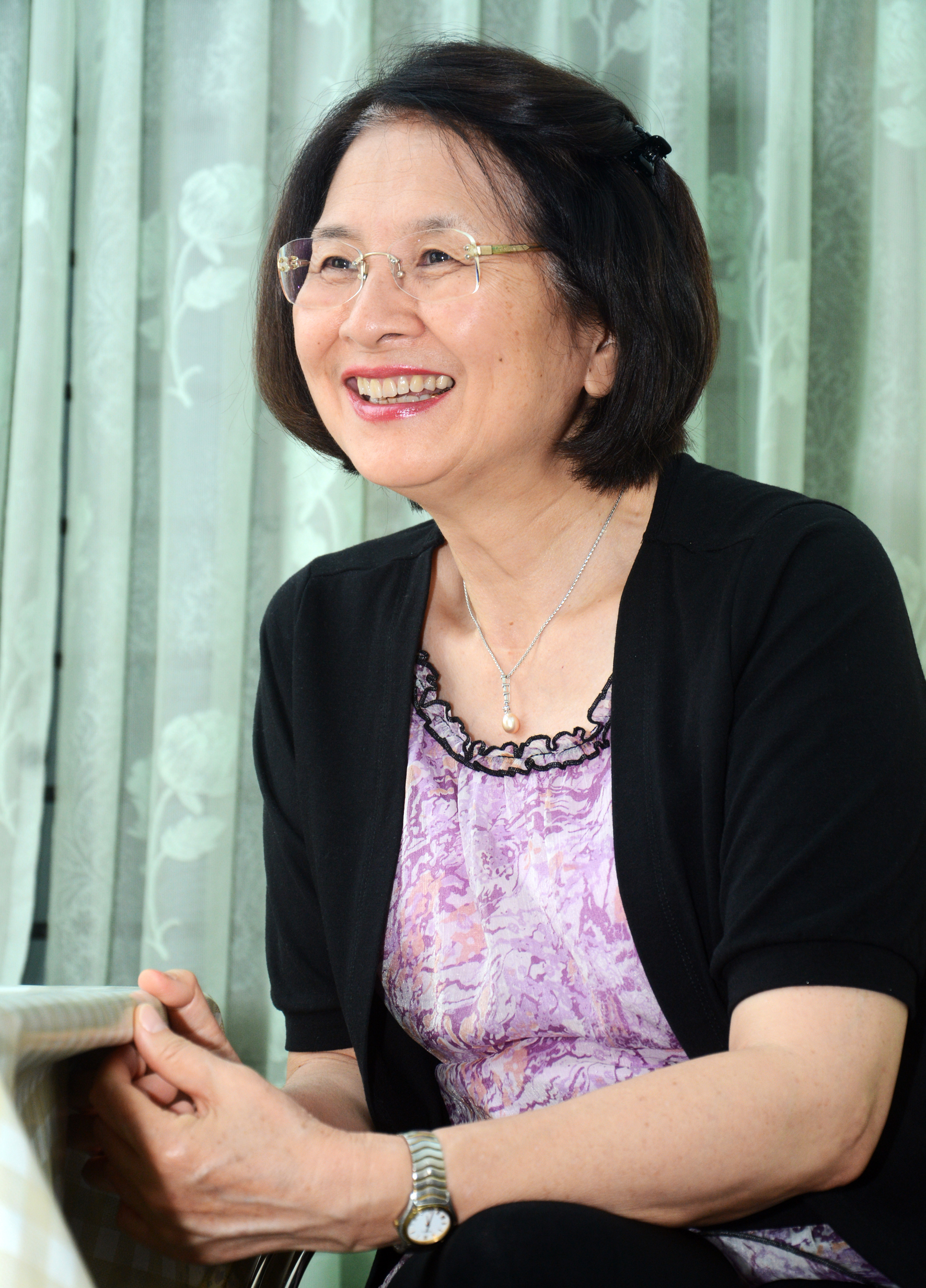 attention the patients are yearning. The physical as well as emotional needs have to be taken care of,” she elaborates.
When Cynthia decided to pursue palliative care, which was an unrecognised specialty then, many were up against it. But as fate would have it she was soon seized to hospice by a group of nuns who thought her expertise in medicine handy. They were looking after a few dying patients under their roof. She instantly agreed. Cynthia’s tryst with palliative care thus started at St Joseph’s Home and Hospice where she joined as a volunteer doctor.
Surprisingly, Cynthia, who has been making the journey of dying patients in Singapore less painful and hassle-free, is a rank outsider. This Hong Kong native, who was sent away to UK during the communist riots, didn’t get a chance to go back as she married a Malaysian.
“Any parent who had the money would have sent their children away. Later, I got married to a Malaysian. Unfortunately, Malaysian residential regulations didn’t allow us to pursue a career there. So we chose the next best option. When we first started off there were no palliative centres in Singapore,” says Goh. Today, Singapore’s palliative care centres are among the best in Asia thanks to this 69-year-old visionary. Anybody who comes across Dr Cynthia would easily fall in love with her benevolent smile and gracious demeanour. With her eyes teeming with kindness she easily becomes the balm to their pains.
Ask her what keeps her going? And she doesn’t have to think twice about her answer. “They say morphine is addictive but I would say it is palliative care that is addictive. So anyone who wishes to join this field beware of that,” she winds up.
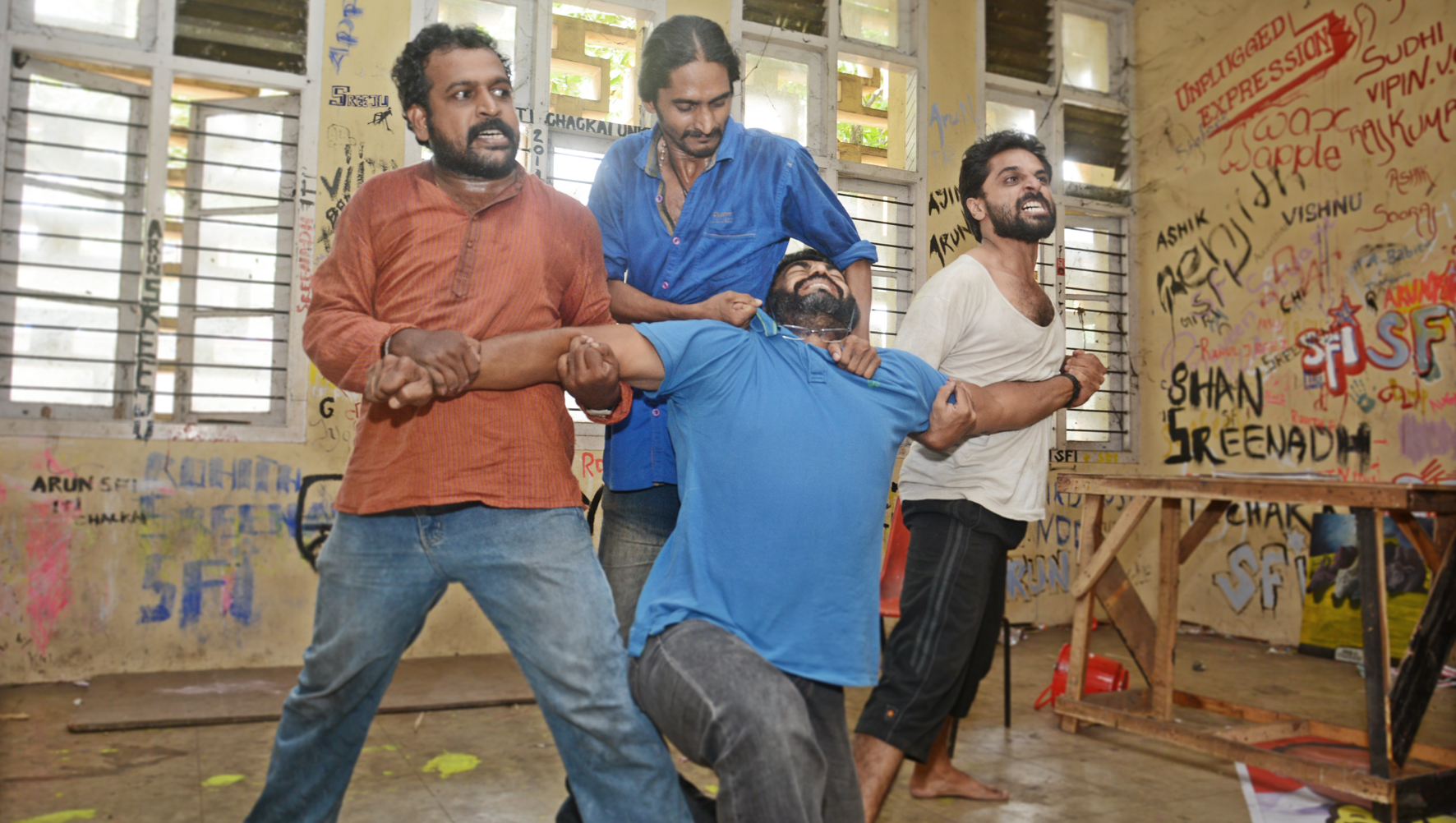

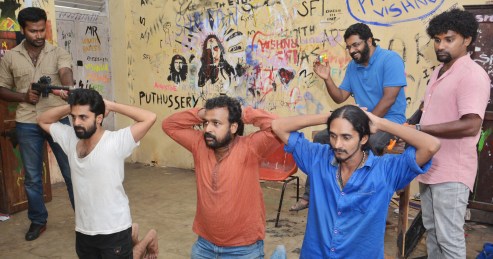 address of Ramon’s hiding place, thinking he’s safe in his cousin’s house. Thus Pablo, who had prepared to die gains the freedom he didn’t want. Kannan’s Pablo guarantees to stay in your heart for many years to come. The pain he feels when he comes to know that he has unknowingly betrayed his friend, is palpable. Hasim executes the scenes adeptly making the

 Ghost Ryderz’ a motor cycle stunt team in the city is known for its daring stunts and spunky customisations. Rakesh, the artist of the team does the graphics work on cars, bikes and helmets. “We have done around 30-40 helmets in the last 3-4 years. Even before helmet law was enforced the riders used to come for painted helmets. They mostly ask similar designs for bikes and helmets. There are many who come with pictures of famous helmets worn by international riders and ask for replicas. For personal touches some ask to imprint their names or parents’ names on the helmet,” says Rakesh.

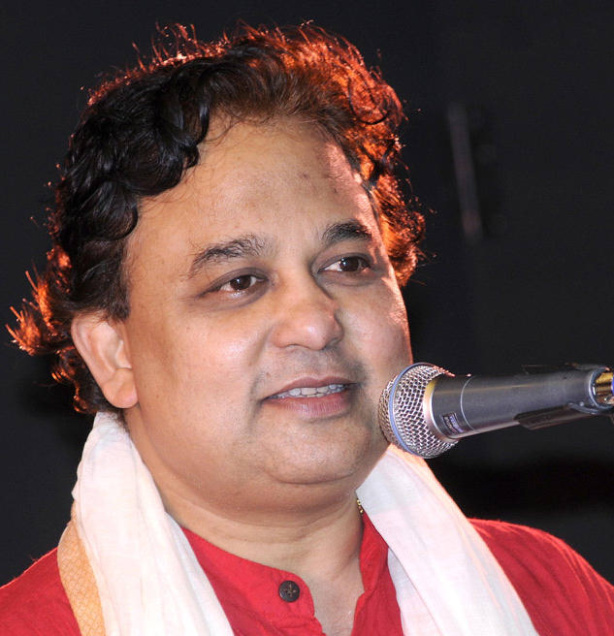
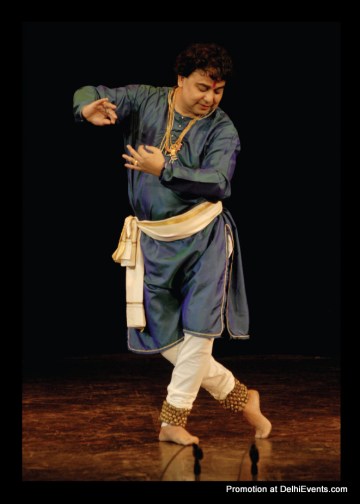 of social leaders and my father was a Zamindar. My mother could do all the ‘yogasanas’ until the day she died. So they were quite particular about their children learning an artform. When my sisters learnt Odissi I was pulled into Kathak,” says Jayant, who first performed before an audience at the age of two. It was his rendezvous with the legend Pandit Durgalal, while he was still very young that turned Jayant’s life upside down.
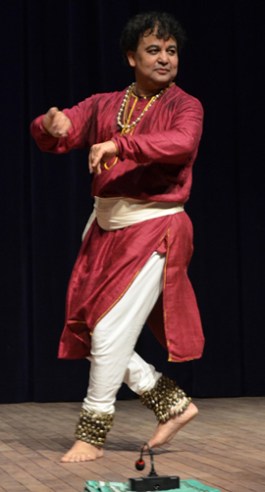 He feels current climate is quite favourable for dance as media and the reality shows give it enough popularity. However, he feels that dance should find the right balance without falling prey to commercialism.
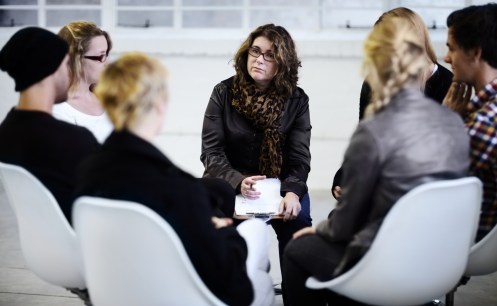
 “The change should come from oneself,” says Fathima, a member of Al-Anon from Wayanad. Fathima was married off at the age of fourteen and at a tender age she had to endure the traumas caused by alcohol. “At first, I couldn’t digest his drinking but when the doctors said it is a disease I was relieved. Because I preferred the term disease for alcohol addiction I guess. But even after treatments he went back to drinking, making me lose confidence in treatments and even God. But a member of AA came to our house one day and made us aware of its methods. But the withdrawal symptoms he had shown were intolerable and I told the AA member about it. I thought the state was better when he was drunk. But the member gave me a phone number directing me to another wife who had been going through the same situation for years. That is Al-Anon. The relief I felt after talking to her was quite amazing and soon the wives and relatives of AA members started an Al-Anon at Wayanad,” says Fathima
 Mini, a government employee from Thiruvanathapuram, is one of the newest members of Al-Anon. It has been five-months since Al-Anon has started in the capital city and Mini was one of the founder members. It was with her husband Mini first came to an AA meeting and soon the need for Al-Anon was raised by the relatives thus came the first Al-Anon in the city.
 An Insomniac's Musings