

 The silence ringing in the Nishagandhi auditorium melted into a melodious Raga. The strings of Santoor were delicately touched awoke by those mezrab-adorned magical fingers. Taking Beethoven’s words into a far higher level, the mellifluous music flowing from Rahul Sharma is a bigger revelation than all wisdom and philosophy. This musician, who carries a musical legacy on his shoulders with panache, spared some time to talk to the City Express, on his visit to the capital city.
“When I was around 13 or 14, like every other teenager I was confused about what I should do going forward. But over the years I have concentrated on various aspects of music and realised it is my true calling. And I had the best guru possible at home,” says Rahul, whose father Shivkumar Sharma is a musical legend.
Born in a family of musicians where both his father and grandfather are Santoor players, Rahul’s entry into music was predesigned. However, it took him many years to come to terms with the responsibility that he had to carry forward. Some might say he had it in a silver platter but hear him out and you will change your opinion in a jiffy.
“My grandfather (Uma Dutt Sharma) introduced ‘Santoor’ to my father, who was learning Tabla at that time. Grandfather had a vision about my father and the instrument. Until then, santoor was used only for Kashmiri folk music but my father has established it as a classical instrument. It all started off like that. And for the past 16-17 years I have been bringing new elements in Santoor. I hope my guru is proud,” he says. Rahul, who used to compose from the tender age of 12 on a harmonium, started learning Santoor around the same time. It is his penchant for experimenting that has rocketed him towards stardom. Having released around 60 albums in his brief career, this musician has been collaborating with music royalty from around the world like Richard Clayderman, KennyG and even grammy-winning Deep Forest for his fusion music.
“Apart from performing Indian classical music, I also came up with my own thematic and fusion albums. It was one of the record companies that suggested I should work with French pianist Richard Clayderman, who was one of the most renowned pianists in the world. I composed an album, ‘Confluence’ with him and it went on to become one of the best selling instrumental albums in India,” he says.
They did three albums together named ‘Confluence’, I, II and III respectively. ‘Namaste’ an album he did with jazz saxophonist Kenny G, reached number one on US billboard charts in 2011. Rahul’s tryst with legends does not end with international names, he has performed and toured with Tabla maestro Zakir Hussain many a time.
“I grew up watching Zakir Hussain play tabla. He started playing with my father when he was 15 years old. So he’s basically family. We had an album released together and had conducted tours around US. It was fantastic working with him just like every other legend I have worked with because you get to learn so much from the association,” says Rahul.
When asked whether instrumentalists get their due in India, he says it is a myth that people do not enjoy instrumental music. “Instrumentalists are traveling all around the world. The myth is that if you don’t understand classical music you will not enjoy instrumental music, which is not true at all. In Pune, when we performed there were 15,000 people as audience. Sometimes the media doesn’t telecast that. The focus is completely on Bollywood. How much Bollywood music will one listen to? So that’ll change over the years as well,” quips Rahul.
Rahul, who worked in a few Bollywood films such as the star-packed ‘Mujhse Dosti Karoge’, for which he won the ‘best debut music director’ award, feels that Bollywood restricts his creativity.
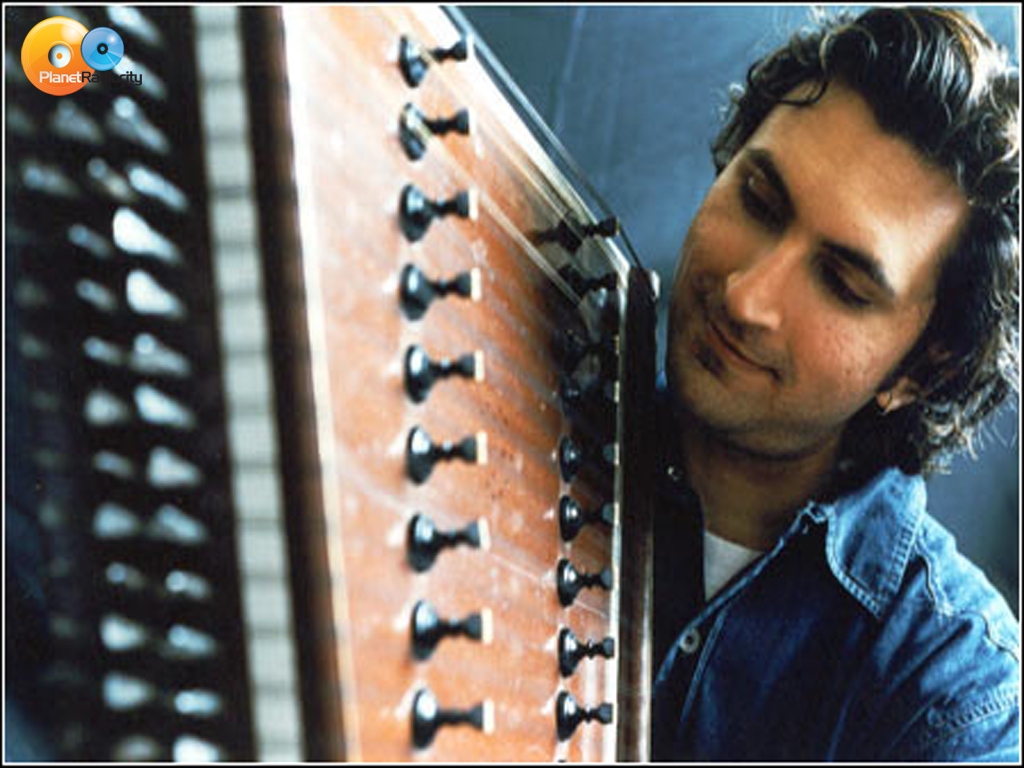 “I had Lata Mangeshkar singing 3 songs for me in that movie. After that I was offered ‘Hum Tum’, and many other movies but I didn’t do them. I realised that I was getting lost in this movie business where you don’t get to make your decisions. Your music will have the influence of the director to the actor. And also as a travelling musician you need a lot of focus and discipline. Sitting in studios and composing throws you out of your focus,” he says.
Rahul names Dr Dhananjay Daithankar (Santoor), Takahiro Arai from Japan and Haridas from Kerala as the upcoming talents in Santoor. Rahul who has many albums and world tours in the pipeline has recently done music for Vivek Agnihotri’s unreleased film ‘Freedom’. He says to come up in music one should have “determination, dedication and more importantly the right guru”. He signs off.





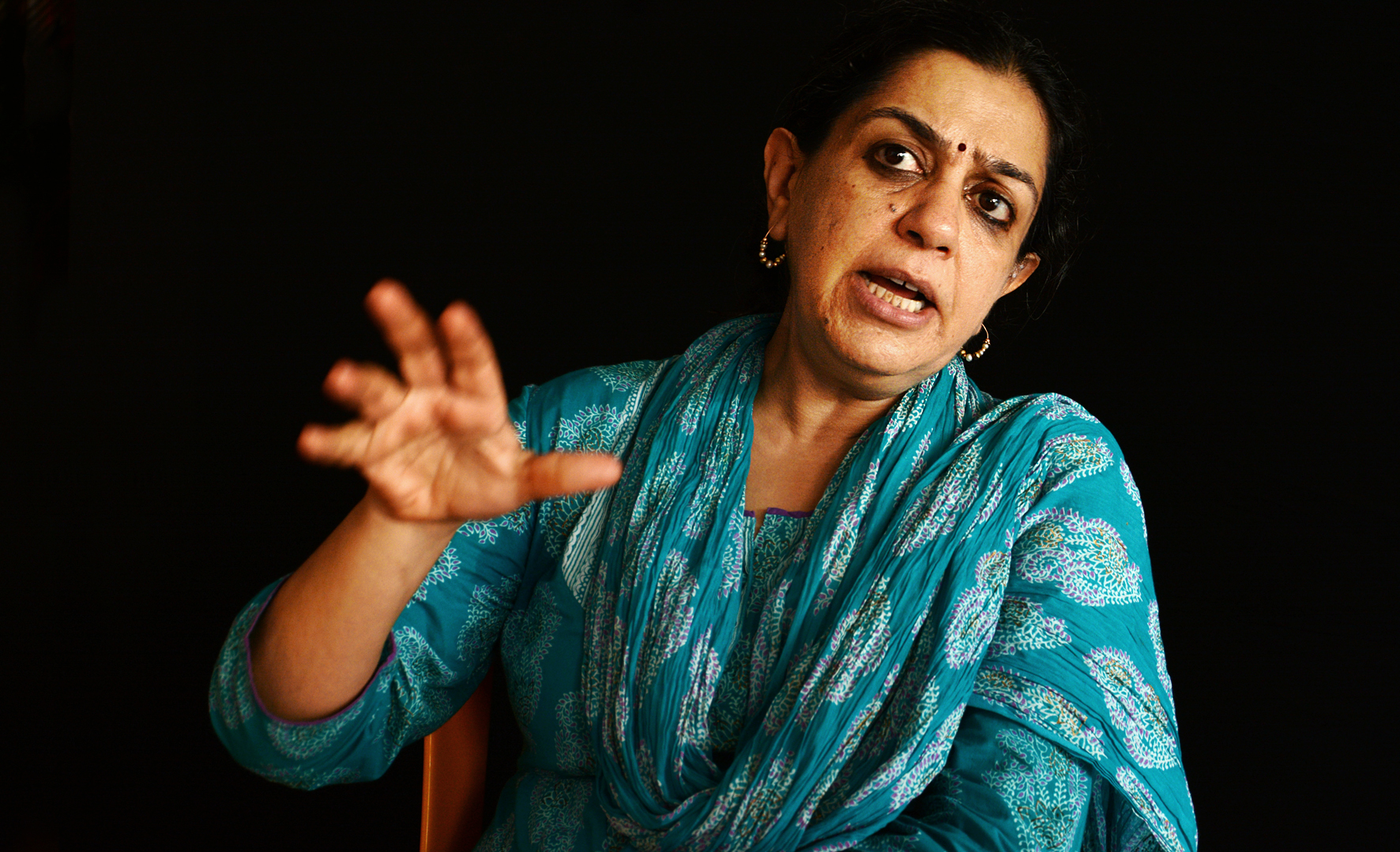
 Ever since she could remember Saba had an intense activist streak in her. It roused whenever she was given an unjust situation to deal with. And in her famous article ‘Of chick charts, hen charts and other such women’s stories’, she says how she joined hands with other girls in St Stephens to fight against the discrimination they felt when the boys of the college rated them based on their looks. It is that profound sense of right is what makes this filmmaker exceptional. And her protagonists, who have no trace of obscurity about them, are no different. They are as real as they would come. Be it Rasoolan Bai of The Other Song (2009) or Riya of Delhi-Mumbai-Delhi (2006). When Rasoola Bai laments the loss of her identity to the time Riya, a bar dancer finds resort in a marriage.
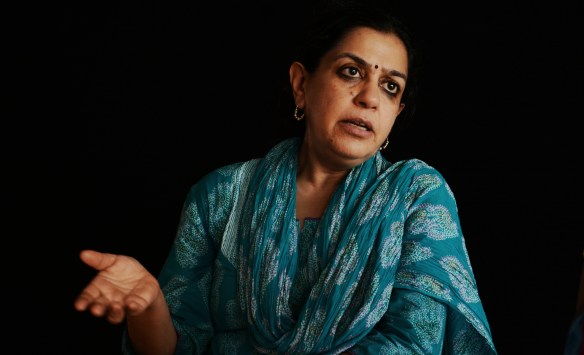 Jhamia Milia Islamia University in 1984. The university had just opened their Mass Communication Research Centre for which they were conducting entrance examination. Saba, who had no inkling about filmmaking got through the entrance.
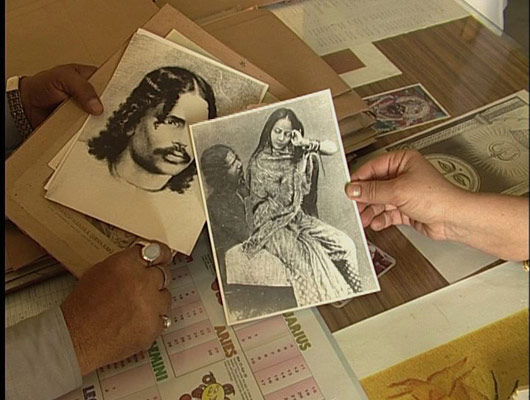 “Documentary film making is not an easy process. Even if we have many subjects to convey there are times we do not find enough funds to transpire it. I haven’t made a film in the past 5 years after The Other Song. Meanwhile I teach and do some writing. I am working on a book on Tawaifs from the experience I have gained from the making of The Other Song,” says Saba. Saba has no plans to get into feature films as yet but she cannot say what future has in store for her.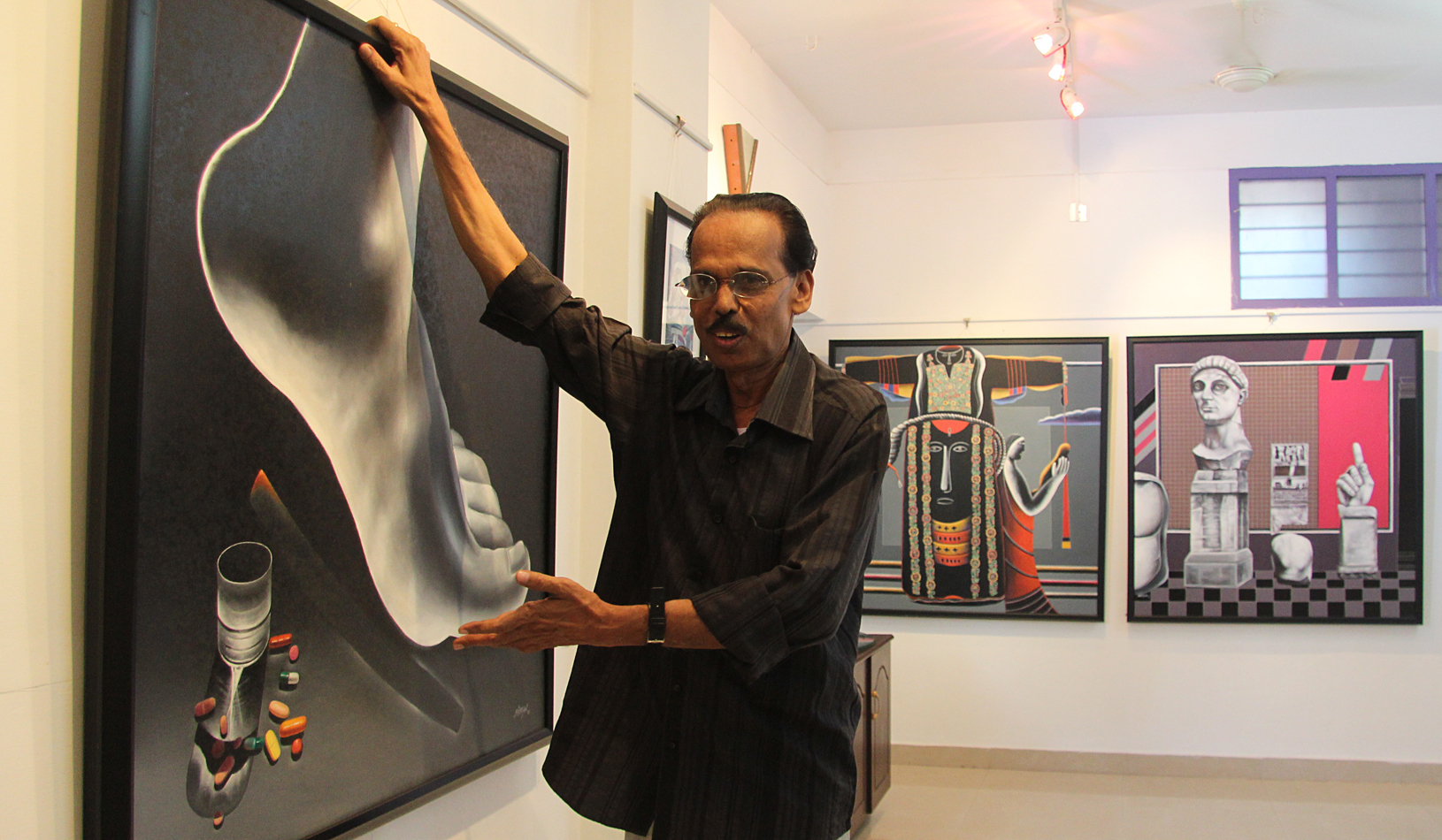
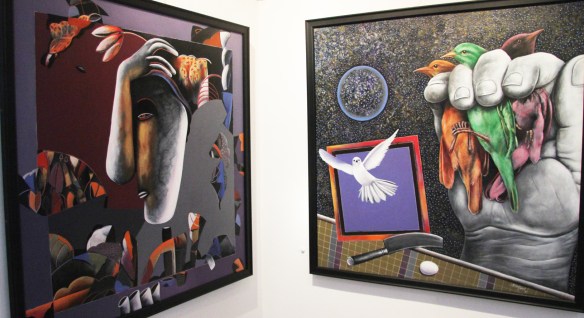

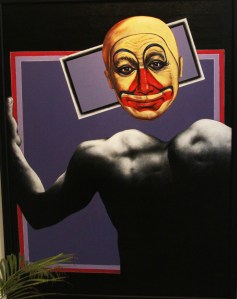
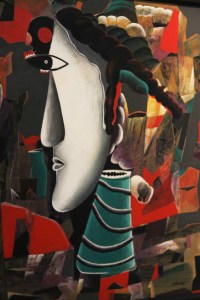 “After my Kali series I got bored and started the ‘Faces’ series which was done with charcoals. Then I did a vibrant abstract series and then a very realistic nude series. Later I did a “Parinamam’ (Evolution) series, which garnered a lot of attention. So I don’t stick to a particular style. I believe that the artists should have a strong base before they jump into an abstract style. I can draw an extremely realistic image with as much skill as an abstract image,” says Dethan.

 An Insomniac's Musings